

Freeze-Dried vs. Air-Dried Dog Food: Which Is Best for Your Pet?
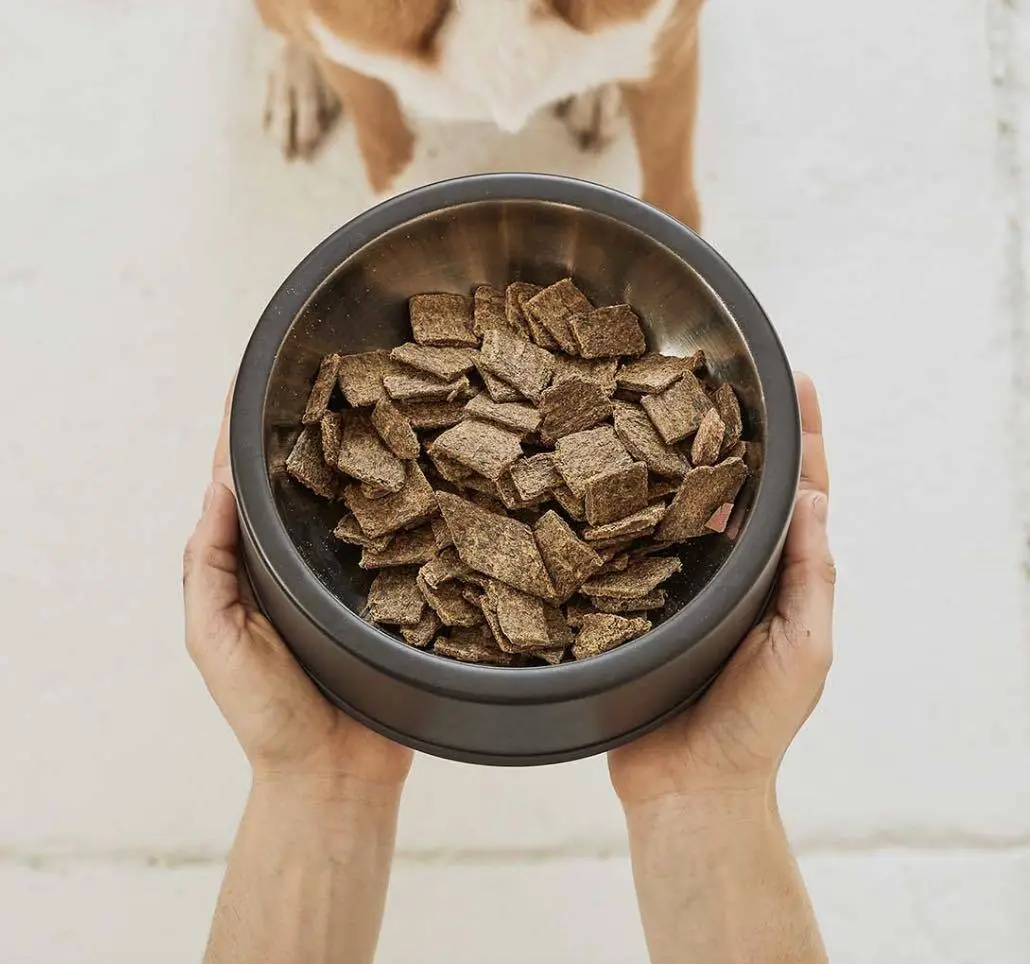
Two labels show up more and more in the food and treat aisles: freeze-dried and air-dried. Both promise a raw-inspired diet without a freezer, and both trade the high heat of kibble extrusion for something gentler. But the processes behind these two formats are genuinely different, and so is what ends up in the bowl.
At Hounds and Co, this is one of the questions we hear most often at the counter, so here's a clear breakdown: how each method works, what it means for nutrition and safety, and how to pick the right one for your beloved dog or cat.
How Air-Drying Works
Air-dried pet food starts with raw meat, organs, and other whole-food ingredients. Instead of a blast of heat, the moisture is removed slowly, using low-temperature air that circulates through the ingredients for hours at a time. That gradual process brings moisture content down to roughly 10 to 14 percent.
Because it skips the freezing equipment and vacuum chambers that freeze-drying requires, air-drying tends to cost less to produce.
The payoff for pet parents: a dense, chewy texture close to real meat, ready to scoop straight from the bag with no prep
How Freeze-Drying Works
Freeze-dried pet food takes a different path. Ingredients are flash-frozen, then placed under vacuum pressure. The ice converts directly into vapor through a process called sublimation, a step that skips the liquid stage entirely. That pulls moisture down to about 2 to 5 percent, which is well below air-dried food.
The result is a light, porous texture that most brands recommend rehydrating with warm water before serving. Because the ingredients never pass through heat or liquid, more of the original vitamins, enzymes, and proteins survive the process intact
Freeze-Dried vs. Air-Dried: Which Preserves More Nutrition?
Both methods avoid the high heat of kibble extrusion, and both hold onto more nutrition than traditional dry food. Freeze-drying has a slight edge: with no heat involved at any stage, it tends to preserve marginally more of the vitamins and antioxidants in the original ingredients.
Air-drying still uses some warmth over a longer stretch, which can degrade small amounts of heat-sensitive nutrients like vitamin C.
In reality, the gap between the two prep methods is modest. The real nutrition story is the ingredient list itself, not the drying method.
Texture, Taste, and Everyday Feeding
At mealtime is when the two food types feel most different. Air-dried food has a dense, jerky-like chew that plenty of pets enjoy straight out of the bag. Freeze-dried food is light and brittle in its dry form. Most owners rehydrate it with a few minutes of warm water to bring back a moist, meat-like texture. It also works dry as a crunchy topper or training treat.
Want zero prep? Air-dried is the way to go. Want a format that can flex between a rehydrated meal and a crunchy topper? Freeze-dried offers more options.
Safety: What to Keep in Mind
Neither air-drying nor freeze-drying counts as cooking. This means that government food-safety guidance still treats both as raw pet food, the same category as frozen raw diets. Removing moisture stops bacteria from multiplying, but it doesn't kill pathogens like Salmonella or Listeria that may already be in raw meat.
Some brands add an important kill step on top of drying. The most common one is high-pressure processing (HPP), which uses intense pressure instead of heat to inactivate pathogens without cooking the food.
To keep your pets safe, always check the label for a validated safety step, especially HPP or a documented test-and-hold protocol, not just the words freeze-dried or air-dried on their own.
Handle both like raw food, with clean bowls, washed hands, and separate utensils, if the label doesn't specify a kill step. Ask your vet about immunocompromised households, since pathogen risk matters more when young kids, older adults, or pets with weaker immune systems are around.
Shelf Life and Cost
Sealed and stored at room temperature, both formats stay shelf-stable, which is the biggest practical advantage over frozen raw diets.
Properly processed freeze-dried products, especially those treated with HPP, can carry a shelf life of up to two years unopened. Air-dried food is typically the more budget-friendly choice of the two, since it skips the specialized freezing and vacuum equipment freeze-drying depends on. That extra equipment and time show up on the price tag, which is why freeze-dried usually costs more per ounce than air-dried
Choosing Between Them
Still weighing freeze-dried vs air-dried food for your own pet? It usually comes down to prep time, budget, and how closely you want to mirror a raw diet.
Choose air-dried if you want a grab-and-go meal or topper with no prep, a lower price point, and a texture your pet can chew straight from the bag.
Choose freeze-dried if you want the closest match to a raw diet's nutrient profile, don't mind a few minutes of rehydration, or want something lightweight for travel. Lean toward rehydrated freeze-dried for cats especially, since the added moisture helps pets who don't drink enough water on their own.
Whichever you land on, confirm the label states the food is complete and balanced for your pet's life stage.
Freeze-Dried and Air-Dried at Hounds and Co
At Hounds and Co, we stock both formats because no single one fits every household. Our team can walk you through the freeze-dried dog food and air-dried dog food options on our shelves, compare ingredient sourcing and safety practices across brands, and help you land on the format that matches your dog or cat's needs and your daily routine.
Stop by our store in Portage to explore our freeze-dried and air-dried selection, or ask our team for a recommendation built around your pet.