

Active Dog Nutrition: Building a Balanced Diet
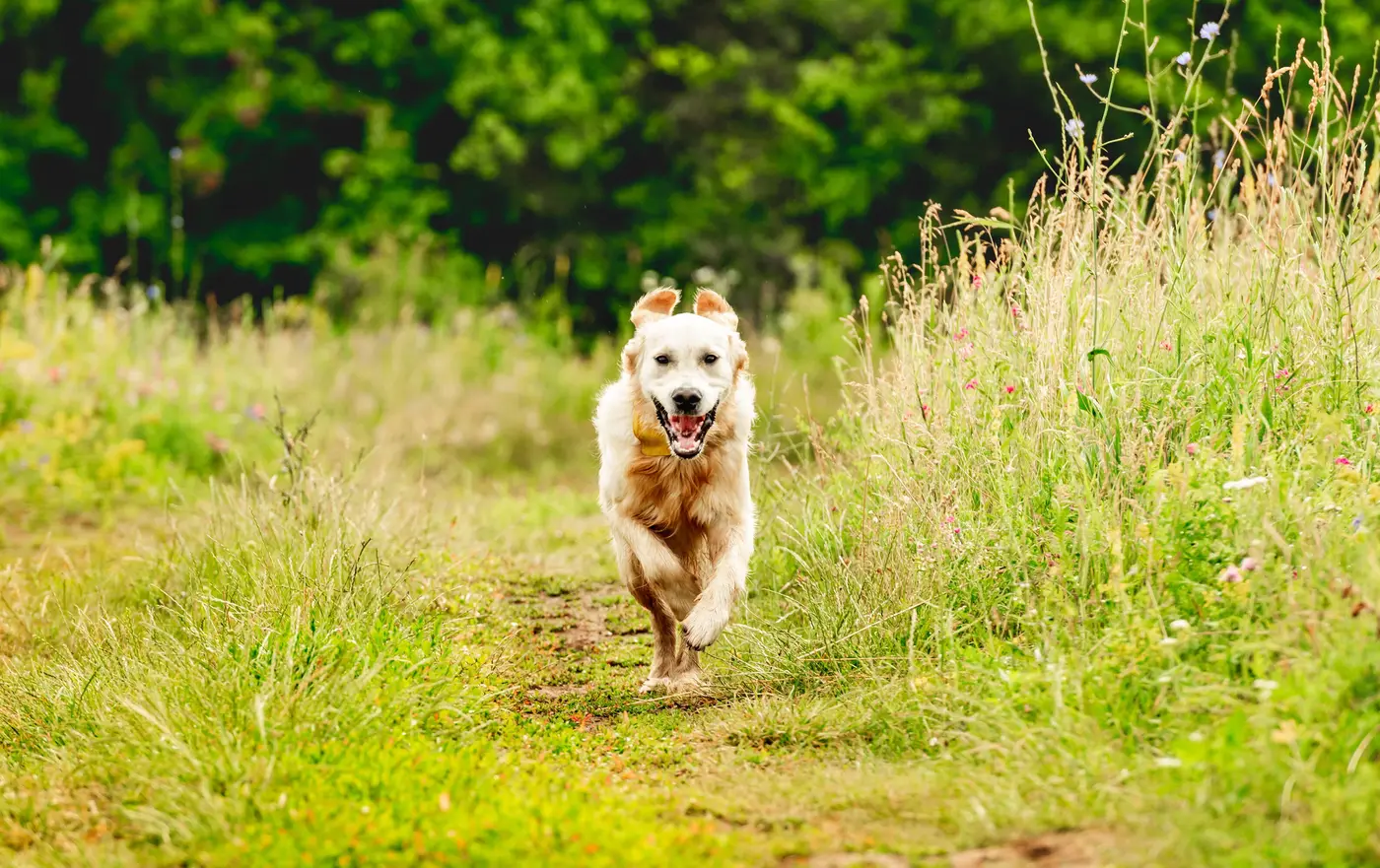
Whether your dog is a hiking companion, an agility champion, or an enthusiastic fetch player, proper active dog nutrition is the foundation of their performance and well-being. At Hounds and Co., we understand that active dogs have unique dietary needs that go beyond standard pet food formulas. Let's explore how to build a nutrition plan that keeps your energetic pup thriving.
Understanding Active Dog Nutrition Needs
Active dogs burn significantly more calories than their sedentary counterparts, requiring carefully balanced nutrition to maintain energy levels, support muscle recovery, and promote overall health. The key is understanding that activity level directly impacts caloric and nutrient requirements.
A dog engaging in regular, intense exercise may need 20-40% more calories than the average pet. However, nutrition for active dogs isn't just about quantity; it's about quality. The right balance of proteins, fats, carbohydrates, vitamins, and minerals ensures your dog has sustained energy and optimal recovery.
Protein: The Building Block of Active Dog Nutrition
Protein is crucial for active dogs, supporting muscle development, repair, and immune function. Active dog nutrition plans should include high-quality animal proteins like chicken, beef, fish, or lamb as primary ingredients.
For moderately active dogs, aim for 25-30% protein in their diet. Highly active or working dogs may benefit from 30-35% or higher. At Hounds and Co., we stock premium foods with easily digestible proteins that maximize nutrient absorption, ensuring your dog gets the most from every meal.
Look for whole meat sources listed first on ingredient labels rather than meat by-products or fillers. Quality matters; lean proteins provide essential amino acids that support everything from coat health to endurance.
Fats: Fueling Energy and Performance
Fats are the most concentrated energy source, providing more than twice the calories per gram compared to proteins or carbohydrates. They're essential for absorbing vitamins, maintaining healthy skin and coat, and supporting brain function.
Active dogs typically need 15-25% fat in their diet, with highly active dogs benefiting from the higher end of this range. Omega-3 and omega-6 fatty acids are particularly important, supporting joint health and reducing inflammation from intense activity.
Quality fat sources include fish oil, chicken fat, and flaxseed. These not only provide energy but also enhance the palatability of food, both of which are important for dogs who may be picky eaters despite their active lifestyles.
Carbohydrates For Active Dogs
While dogs don't strictly require carbohydrates, they play a valuable role in active dog nutrition by providing quick energy and supporting digestive health. Complex carbohydrates from sources like sweet potatoes, brown rice, and oats offer sustained energy release without blood sugar spikes.
Active dogs benefit from moderate carbohydrate levels (30-50% of diet) to replenish glycogen stores depleted during exercise. Avoid foods with excessive simple sugars or low-quality fillers like corn syrup, which provide empty calories without nutritional value.
Hydration: The Forgotten Element
Water is perhaps the most critical component of active dog nutrition, yet it's often overlooked. Active dogs can lose significant fluids through panting and may become dehydrated quickly during intense activity.
Always provide fresh water before, during, and after exercise. For extended activities lasting over an hour, consider electrolyte supplements designed for dogs. At Hounds and Co., we offer portable water bottles and collapsible bowls perfect for adventures with your active companion.
Timing Matters
When you feed your active dog is nearly as important as what you feed them. Avoid feeding large meals immediately before intense exercise, as this can cause digestive upset or dangerous bloating. Instead, feed smaller meals 2-3 hours before activity, or wait until 30-60 minutes after exercise.
Some active dogs benefit from multiple smaller meals throughout the day rather than one or two large ones, helping maintain consistent energy levels and supporting metabolism.
Supplements for Optimal Active Dog Nutrition
Even with high-quality food, some active dogs benefit from targeted supplements. Glucosamine and chondroitin support joint health, especially important for high-impact activities. Probiotics promote digestive health, while antioxidants like vitamin E support recovery from intense exercise.
Before adding supplements to your active dog's nutrition plan, consult with your veterinarian. They can recommend appropriate products based on your dog's specific needs, age, and activity level.
Building Your Active Dog Nutrition Plan at Hounds and Co.
At Hounds and Co., we're passionate about helping you create the perfect active dog nutrition plan. Our knowledgeable team can guide you through our selection of premium foods formulated specifically for active and working dogs, from performance kibbles to raw food options.
We understand that every dog is unique: what works for a marathon-running Labrador may differ from an agility-competing Border Collie. Visit us to discuss your dog's individual needs, and we'll help you build a nutrition strategy that supports their active lifestyle while fitting your budget and preferences.
Remember, transitioning to a new food should be gradual, mixing increasing amounts of new food with old over 7-10 days to prevent digestive upset. Monitor your dog's energy levels, coat condition, and body weight to ensure your active dog nutrition plan is working optimally.
Your active dog deserves nutrition that matches their enthusiasm for life. With the right balance of quality ingredients and proper feeding practices, you'll fuel countless adventures together.