How to Find the Best Dog Food for Allergies and Sensitivities
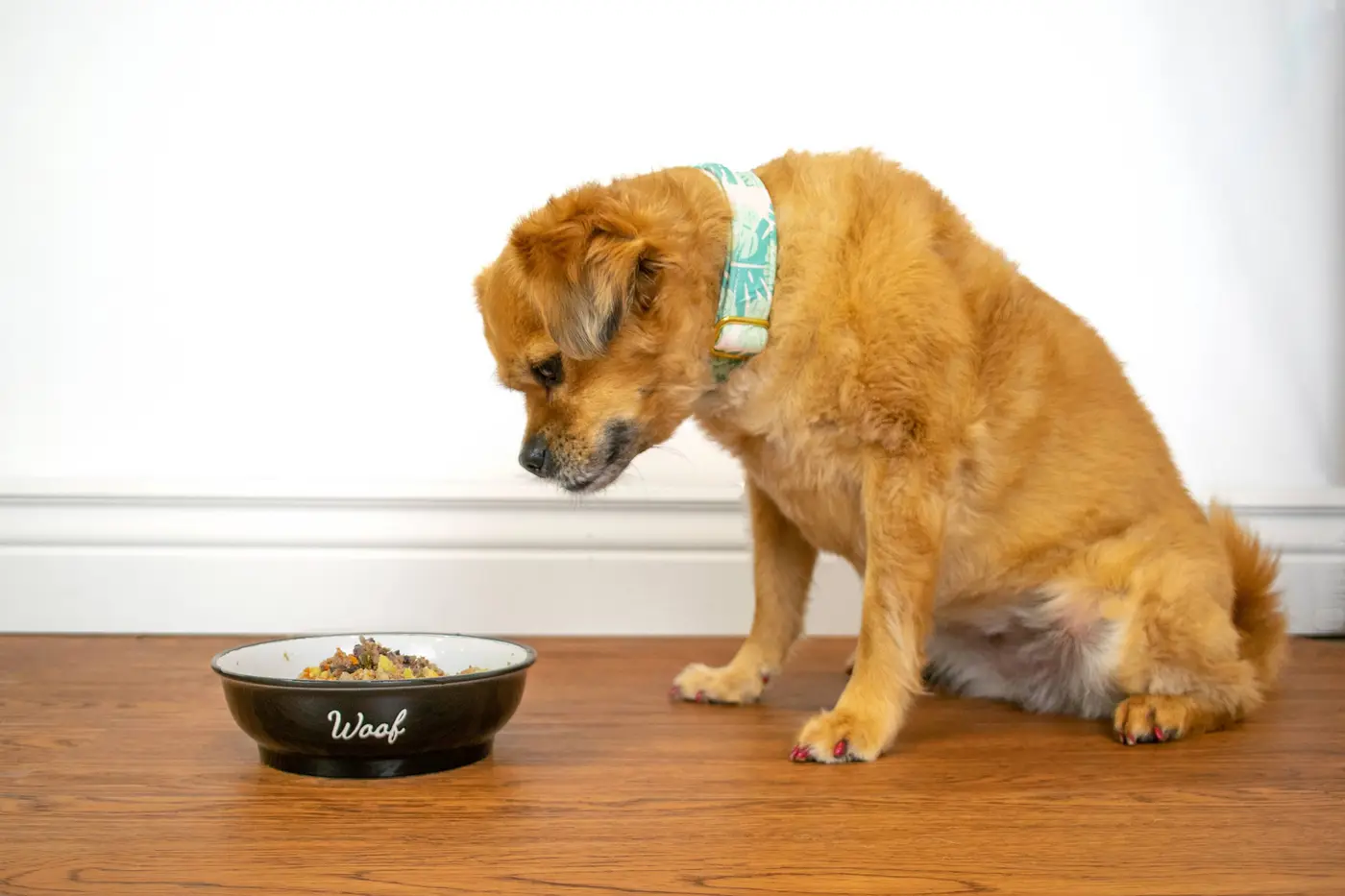
Food allergies and sensitivities can cause discomfort for your dog, leading to symptoms like itchy skin, gastrointestinal issues, or recurrent ear infections. Choosing the best dog food for allergies is crucial to alleviating these symptoms and improving your pet’s overall health. This guide will help you understand how to identify allergens, select appropriate food options, and ensure your dog thrives on a diet tailored to their needs.
Food allergies in dogs often stem from specific ingredients, particularly protein sources like chicken, beef, or dairy. Sensitivities, while less severe than allergies, can still cause digestive upset or skin irritation.
Common signs of food allergies include:
- Itchy skin or excessive scratching
- Red or inflamed skin
- Chronic ear infections
- Vomiting or diarrhea
If you suspect your dog has a food allergy, consult your veterinarian to identify the allergen and determine the best course of action.
What Makes the Best Dog Food for Allergies?
When selecting dog food for allergies, focus on the following characteristics:
- Limited Ingredient Diets: These diets contain fewer components, making it easier to pinpoint and eliminate allergens. Look for single protein sources like salmon or duck instead of common allergens like chicken or beef.
- Hydrolyzed Proteins: Hydrolyzed protein diets break down proteins into smaller molecules that are less likely to trigger allergic reactions.
- Grain-Free Options: While not all dogs are sensitive to grains, some may benefit from grain-free diets that exclude wheat, corn, or soy.
- Avoid Harmful Additives: Steer clear of artificial preservatives (like BHA and BHT), fillers (corn gluten or cellulose), and generic fats or proteins that can exacerbate sensitivities.
Top Picks for the Best Dog Food for Allergies
Here are some options for dogs with allergies:
- Open Farm: Open Farm offers limited-ingredient, ethically sourced dog food with single-protein options, making it an excellent choice for dogs with allergies or sensitivities. Their recipes are free from common allergens like corn, wheat, and soy, and include superfoods to support skin and coat health.
- Forza10: Forza10 Active Dermo is specifically formulated for dogs with skin allergies, featuring hypoallergenic ingredients, omega fatty acids, and anti-inflammatory properties to reduce itching, redness, and inflammation while promoting a healthy coat.
- N&D (Farmina): N&D Quinoa Skin & Coat uses a single animal protein source like duck and includes functional ingredients such as coconut and turmeric to address food sensitivities and support skin and coat wellness. It’s also grain-free and free from artificial preservatives.
- Taste of the Wild: Taste of the Wild provides grain-free dog food made with high-quality proteins like salmon or bison, which are less likely to trigger allergies. Its antioxidant-rich formula supports overall health while avoiding common allergens like wheat and soy.
- Steve’s Real Food: Steve’s Real Food specializes in raw, minimally processed diets that eliminate artificial additives and fillers, offering a natural solution for dogs with allergies or sensitivities.
- Vital Essentials: Vital Essentials focuses on freeze-dried raw diets made with limited ingredients and novel proteins like rabbit or duck, ideal for dogs prone to allergic reactions or digestive issues.
Ingredients to Avoid in Dog Food
To ensure your dog’s safety, avoid these problematic ingredients:
- Artificial Preservatives: BHA, BHT, ethoxyquin, and nitrates can trigger allergic reactions and long-term health issues.
- Fillers: Corn gluten, cellulose, and peanut hulls provide little nutritional value and may irritate sensitive stomachs.
- Generic Fats and Proteins: Opt for named sources like “chicken fat” instead of vague labels like “animal fat”.
- Propylene Glycol: Linked to allergic reactions and organ damage in dogs.
Tips for Transitioning to Allergy-Friendly Dog Food
Switching your dog’s diet should be done gradually over 7–10 days, unless otherwise noted by the brand:
- Mix a small amount of the new food with their current diet.
- Gradually increase the proportion of new food while reducing the old food.
- Monitor your dog closely for any adverse reactions.
Always consult your veterinarian before making dietary changes.
Final Thoughts
Finding the best dog food for allergies requires careful consideration of ingredients and your dog's specific needs. Limited ingredient diets, hydrolyzed proteins, and grain-free options can significantly reduce allergic reactions while improving overall health. By avoiding harmful additives and consulting with your vet, you can ensure your furry friend enjoys a balanced diet free from allergens. Investing in high-quality allergy-friendly dog food is an essential step toward keeping your pet happy, healthy, and comfortable.
At Hounds and Co., we're dedicated to providing the finest pet nutrition to help your furry friends thrive. Whether you're seeking the best dog food for allergies or simply want to enhance your dog's overall health, our expertly curated selection of top-tier brands is here to support you.
Visit us today at:
9651 Portage Rd, Portage, MI 49002
Phone: 269-366-4931