How to Reduce Cat Hairballs
Cat hairballs are an unfortunate but common issue. These unsightly and sometimes problematic clumps of fur can be more than just an annoyance—they can indicate digestive issues and discomfort for your feline friend. In this blog, we'll explore steps you can take to help reduce your cat’s hairballs.
Understanding Cat Hairballs and Their Causes
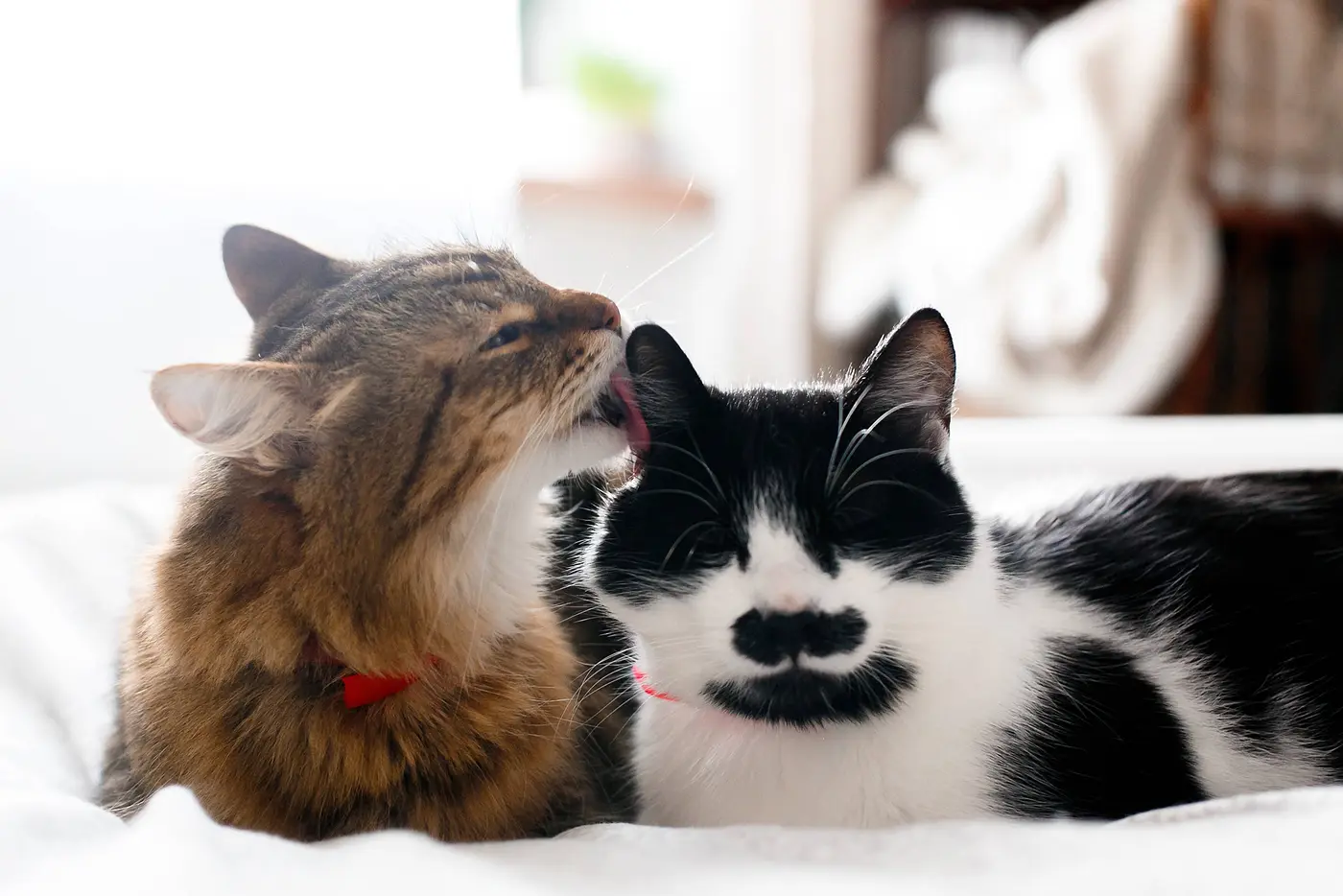
Cat hairballs, also known as trichobezoars, form when cats ingest hair while grooming. Most of the hair passes through their digestive system without issues, but some can accumulate in the stomach, forming a hairball. While occasional hairballs are normal, frequent occurrences can indicate dietary issues or excessive grooming, often linked to stress or skin problems.
What Kind of Cat Food is Best for Hairballs?
When searching for the best cat food for hairballs, consider the following ingredients and nutritional components:
High-Quality Protein: Look for cat foods with high-quality protein sources, such as chicken, turkey, or fish. Protein helps maintain healthy skin and fur, reducing shedding and hairball formation.
Fiber: Fiber is crucial in aiding digestion and helping hair move smoothly through the digestive tract. Foods with added fiber, like beet pulp or psyllium, are beneficial.
Omega Fatty Acids: Omega-3 and Omega-6 fatty acids support skin and coat health, reducing shedding and hair ingestion. Ingredients like fish oil and flaxseed are excellent sources.
Prebiotics and Probiotics: These support a healthy gut microbiome, improving overall digestive health and aiding in the passage of hair through the digestive system.
Moisture Content: Wet or canned cat food has a higher moisture content, which helps keep the digestive system hydrated and functioning well and prevents cat hairballs.
Tips for Managing Hairballs
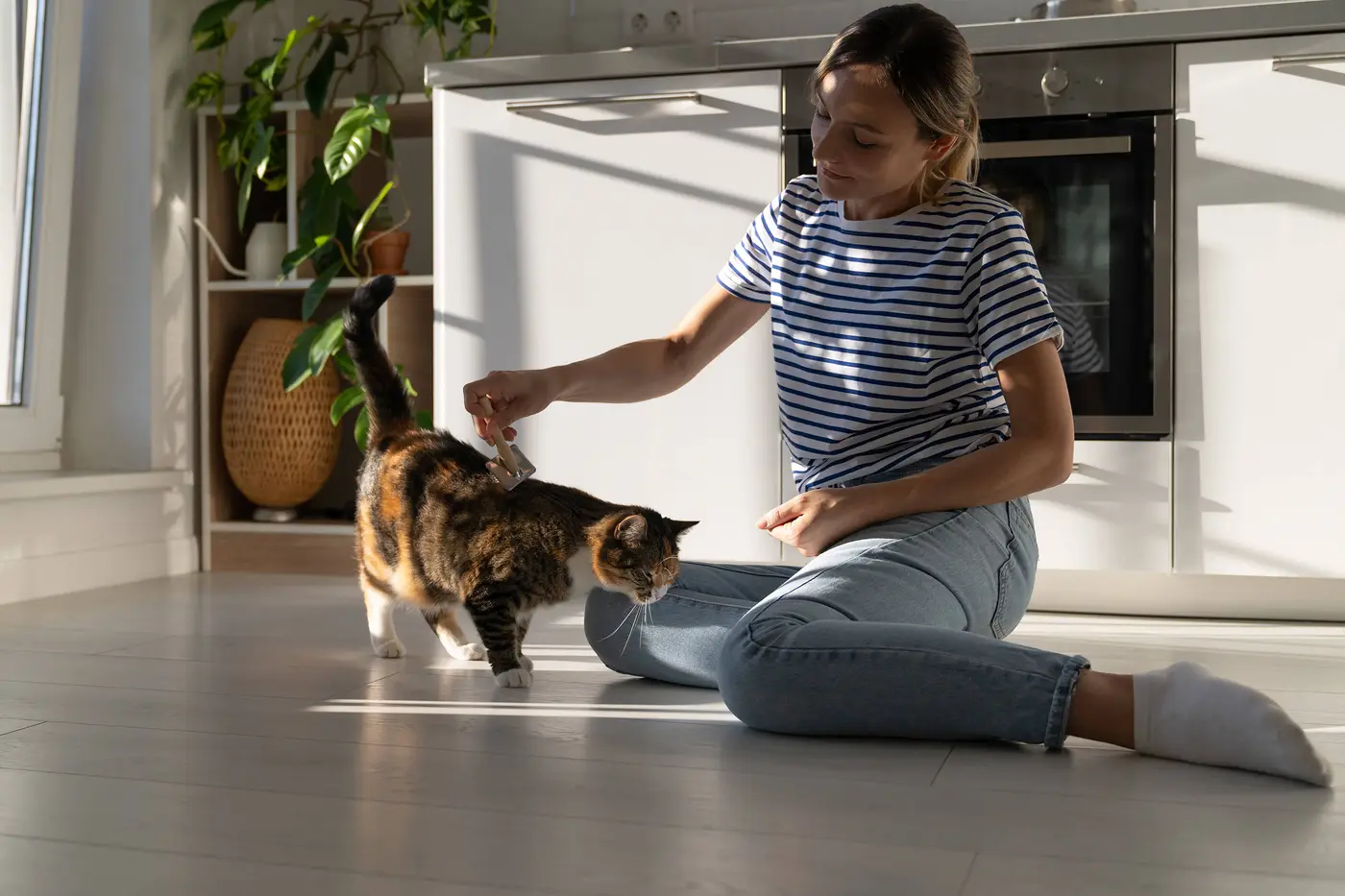
Regular Grooming: Regularly brushing your cat helps remove loose fur, reducing the amount they ingest during grooming. Long-haired cats may benefit from daily brushing.
Hydration: Ensure your cat has access to fresh water at all times. Hydration supports healthy digestion and helps move ingested hair through the digestive tract.
Remedies: Consider over-the-counter cat hairball remedies or supplements that can aid in reducing hairball formation. Consult your veterinarian for recommendations.
Stress Management: Reducing stress can decrease excessive grooming. Provide a stimulating environment with plenty of playtime and comfort.
Reducing Cat Hairballs, Once and For All
Reducing cat hairballs involves a combination of proper grooming, nutrition, hydration, and regular veterinary care. By implementing these strategies, you can significantly reduce hairball formation, ensuring your feline friend remains healthy and comfortable. Remember, occasional hairballs are normal, but if your cat is frequently vomiting hairballs, consult your veterinarian for advice and potential treatments.
A happy, healthy cat is less likely to suffer from hairballs, and by taking proactive steps, you can provide the best care for your furry companion.
Visit Hounds and Co. in Portage for the Best in Pet Nutrition!
At Hounds and Co. in Portage, we understand how important your pet's health and happiness are to you. That's why we offer the highest quality pet foods specifically designed to keep your cats healthy, happy, and hairball-free. Our expert staff is always ready to help you find the perfect diet for your feline friend.
Visit us at 9651 Portage Road in Portage or call (269) 366-4931 for more information.