

Common Myths and Misconceptions About Raw Food Diets for Pets
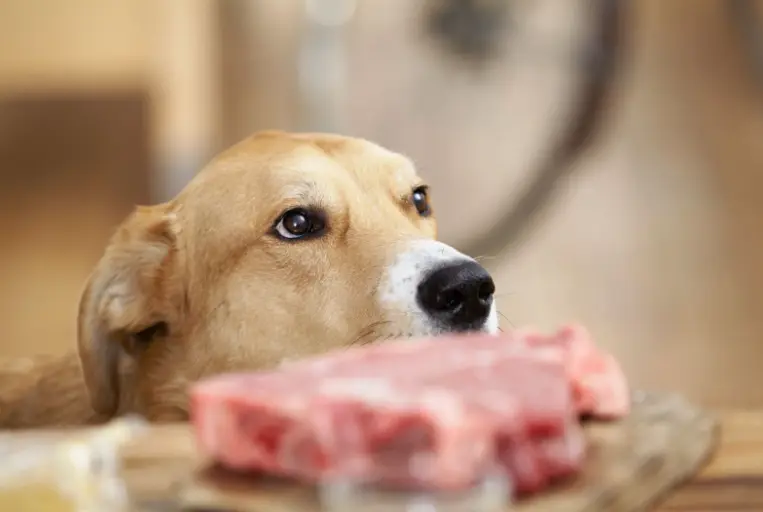
Raw food diets for pets have gained popularity in recent years, but they're often surrounded by misconceptions. As a pet owner, it's crucial to separate fact from fiction when considering your pet's nutrition. Let's explore some common myths about raw food diets for pets and uncover the truth behind them.
What Is a Raw Food Diet for Pets?
A raw food diet for pets involves feeding uncooked ingredients, primarily raw meat, edible bones, and organs, along with fruits, vegetables, and sometimes grains. These diets are designed to mimic what pets' wild ancestors might have consumed, aiming to provide a more natural and biologically appropriate form of nutrition.
Raw diets can be homemade or commercially prepared, typically including:
- Muscle meat (often still on the bone)
- Organ meats such as liver and kidneys
- Raw bones, either whole or ground
- Vegetables like spinach or carrots
- Fruits such as apples
- Optional ingredients like eggs, dairy, or seeds
Types of Raw Food Diets
Raw food diets come in different forms:
- Homemade Raw Diets: Pet owners prepare meals using fresh ingredients tailored to their pet's needs.
- Commercial Raw Diets: Pre-packaged options that are often frozen, freeze-dried, or dehydrated for convenience.
Myths:
Myth 1: Raw Food Diets for Pets Are Dangerous Due to Bacteria
One of the most prevalent concerns about raw food diets for pets is the risk of bacterial contamination. However, this fear is often exaggerated. Dogs and cats have shorter, more acidic digestive systems than humans, making them better equipped to handle potential bacteria in raw food. Proper handling and storage of raw pet food, similar to how we handle raw meat for human consumption, can significantly reduce any risks.
Myth 2: Raw Food Diets for Pets Are Nutritionally Imbalanced
Another common misconception is that raw diets lack essential nutrients. In reality, a well-planned raw food diet for pets can provide complete and balanced nutrition. These diets typically include a variety of meats, organs, bones, and sometimes vegetables, offering a wide range of nutrients. Many commercial raw pet food brands ensure their products meet or exceed nutritional standards.
Myth 3: Raw Food Diets Make Pets Aggressive
There's a misconception that feeding raw meat will increase aggression in pets. However, this is unfounded. A pet's behavior is primarily influenced by genetics, training, and environment, not by their diet. In fact, some pet owners report improved behavior and energy levels after switching to raw food diets for pets.
Myth 4: Raw Food Diets for Pets Are Prohibitively Expensive
While raw food diets for pets may seem costly at first glance, they can be economical in the long run. Buying in bulk, sourcing ingredients locally, and preparing meals in batches can help reduce costs. Moreover, the potential health benefits of a raw diet might lead to fewer veterinary bills over time.
Myth 5: Raw Food Diets for Pets Are Time-Consuming and Inconvenient
While preparing raw meals from scratch can be time-consuming, many commercial raw food options are now available that are just as convenient as kibble. These pre-prepared raw meals often come in easy-to-serve portions, making raw feeding as simple as thaw, portion, and serve.
Safety Tips for Raw Food Diets

If you decide to feed your pet a raw diet, follow these safety precautions:
- Consult Your Veterinarian: Work with your vet to ensure the diet is complete, balanced, and appropriate for your pet's health.
- Practice Proper Hygiene: Wash your hands, utensils, and surfaces thoroughly after handling raw food to prevent cross-contamination.
- Source High-Quality Ingredients: Use reputable commercial raw pet food brands that employ pathogen-reduction methods like high-pressure processing (HPP).
- Monitor Your Pet’s Health: Regularly check your pet’s weight, coat condition, and energy levels, and consult your vet if you notice any changes.
Is a Raw Food Diet Right for Your Pet?
While some pets thrive on raw diets, they are not suitable for every animal. Puppies, kittens, older pets, or those with compromised immune systems may be more vulnerable to the risks associated with raw feeding. Consulting a veterinarian or pet nutritionist is crucial before transitioning your pet to a raw food diet.
Making Informed Decisions About Raw Food Diets for Pets
As with any dietary change, it's essential to do thorough research and consult with a veterinarian before transitioning your pet to a raw food diet. While raw feeding may not be suitable for every pet, many animals thrive on this type of diet when it's properly balanced and prepared.
At Hounds and Co. in Portage, MI, we're committed to helping you make the best nutritional choices for your pets. Our knowledgeable staff can guide you through the options and help you decide if a raw food diet is right for your pet.
Ready to explore raw food diets for your pet? Visit Hounds and Co. in Portage, MI, today! Our expert team is here to answer your questions and help you find the perfect nutritional solution for your beloved companion. Stop by our store or give us a call to learn more about our high-quality pet food options.