

Natural Diet for Cats: How to Transition Without Any Stress or Fuss
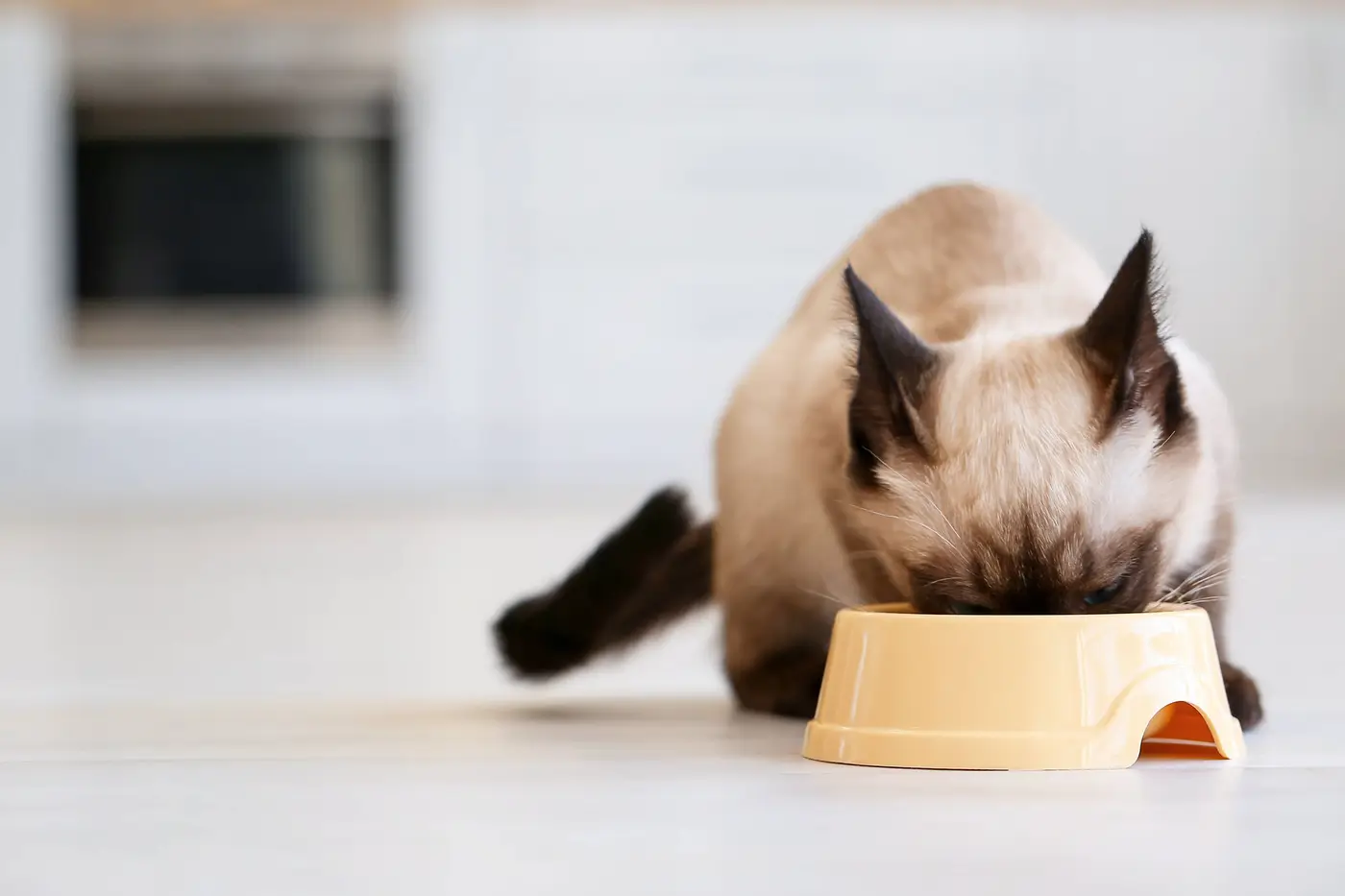
As cat owners, we strive to provide the best care for our feline companions, including their diet. With increasing concerns about commercial pet food ingredients and processing methods, many cat owners are turning to a natural diet for their beloved furry friends. This blog post will explore the benefits of a natural diet for cats and provide a step-by-step guide on transitioning your cat to this diet without any stress or fuss.
The Benefits of a Natural Diet for Cats
Improved Nutritional Content: A natural diet for cats typically consists of fresh, whole foods rich in essential nutrients. Commercial cat food often contains fillers and artificial additives that may not provide the ideal nutrition cats require. By feeding them a natural diet, you can ensure their diet is balanced and optimized for their overall health.
Healthy Weight Management: Cats are obligate carnivores, meaning their bodies are designed to digest and thrive on a meat-based diet. A natural diet with high-quality proteins promotes healthy muscle mass and can help your cat maintain an ideal weight and increase energy.
Better Digestive Health: Cats have sensitive digestive systems, and processed foods may cause gastrointestinal issues such as vomiting, diarrhea, or constipation. A natural diet consisting of minimally processed ingredients can improve their digestion and reduce the risk of these issues. With a biologically appropriate diet, their bodies can absorb and use more of the nutrients from the food, which, in turn, also leads to less output.
Reduced Allergies and Food Sensitivities: Cats can develop allergies and sensitivities when fed the same thing daily. A good rotation of different proteins/foods is the best way to prevent this. If you think your cat has allergies, consult with a veterinarian. Some cats may develop allergies or food sensitivities to certain ingredients found in commercial cat food. By transitioning them to a natural diet, you can eliminate potential allergens and relieve any existing allergies or sensitivities.
Transitioning to a Natural Diet
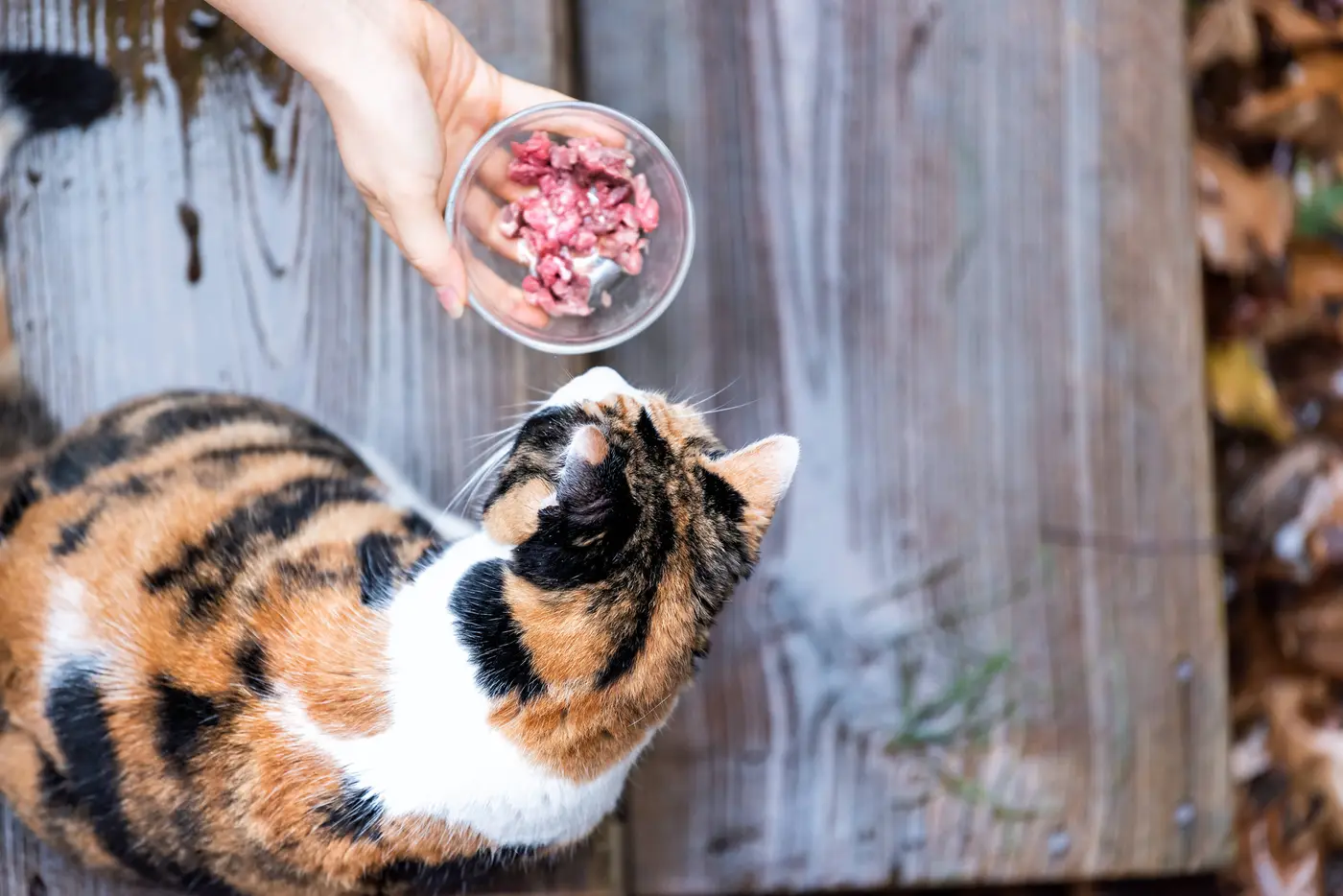
Gradual Transition: Abrupt dietary changes can upset your cat's stomach and lead to digestive issues. Start by introducing small amounts of the new natural food alongside their regular diet, gradually increasing the proportion of the new food over 7-10 days.
Choose High-Quality Ingredients: Look for commercial natural cat food or prepare homemade meals using high-quality ingredients. Supplementing your cat’s diet with store-bought natural cat food and whole foods can be convenient. Ensure the diet includes a balance of protein, fat, and carbohydrates based on your cat's age, weight, and activity level.
Provide Variety: Offering a variety of proteins such as chicken, turkey, and fish can keep your cat interested in their natural diet. Rotate between different protein sources to provide a wider range of essential nutrients and to prevent boredom. Different textures in the rotation are also important to prevent "pickiness.” Cats are generally not "picky"; they have never been introduced to a specific protein/texture and simply don't recognize it as food. Introducing a variety at a young age is important to prevent this.
Monitor Your Cat's Health: Throughout the transition process, closely monitor your cat's overall health, appetite, and litter box habits. If you notice any adverse effects or concerns, consult your veterinarian promptly.
Consult Your Veterinarian If Needed: Before changing your cat's diet, consult your veterinarian. They can provide valuable insights and guidance based on your cat's individual needs and health conditions. It’s important to note that some vets advocate for a natural diet, and some may be indifferent to it.
Long-Term Maintenance
Reliable Supply of Ingredients: Ensure a consistent supply of fresh ingredients when opting for a natural diet. Purchase from reputable sources or consider joining a local co-op or community-supported agriculture (CSA) program that provides fresh, locally sourced ingredients for pet food.
Balance Nutrition: To achieve a balanced diet over time, consider incorporating supplements specifically formulated for cats. Consult your veterinarian to determine the appropriate supplements for your cat's needs.
Regular Veterinary Check-ups: Regular veterinary check-ups become even more crucial when maintaining a natural diet for your cat. Your veterinarian can assess your cat's overall health and provide additional guidance if required.
Natural Cat Food in Portage
Transitioning your cat to a natural diet is beneficial for their overall well-being. By following a gradual approach and considering your cat's individual needs, you can make the transition process stress-free and hassle-free. Embrace the power of a natural diet for your feline friend and witness its positive impact on their health and happiness.
Visit Hounds and Co. in Portage today to give your cat the natural nutrition they deserve. Explore our selection of premium natural cat food and treats to support your cat's health and well-being. Your feline friend will thank you!