

What You Need to Know About Natural Pet Food Ingredients and Labels
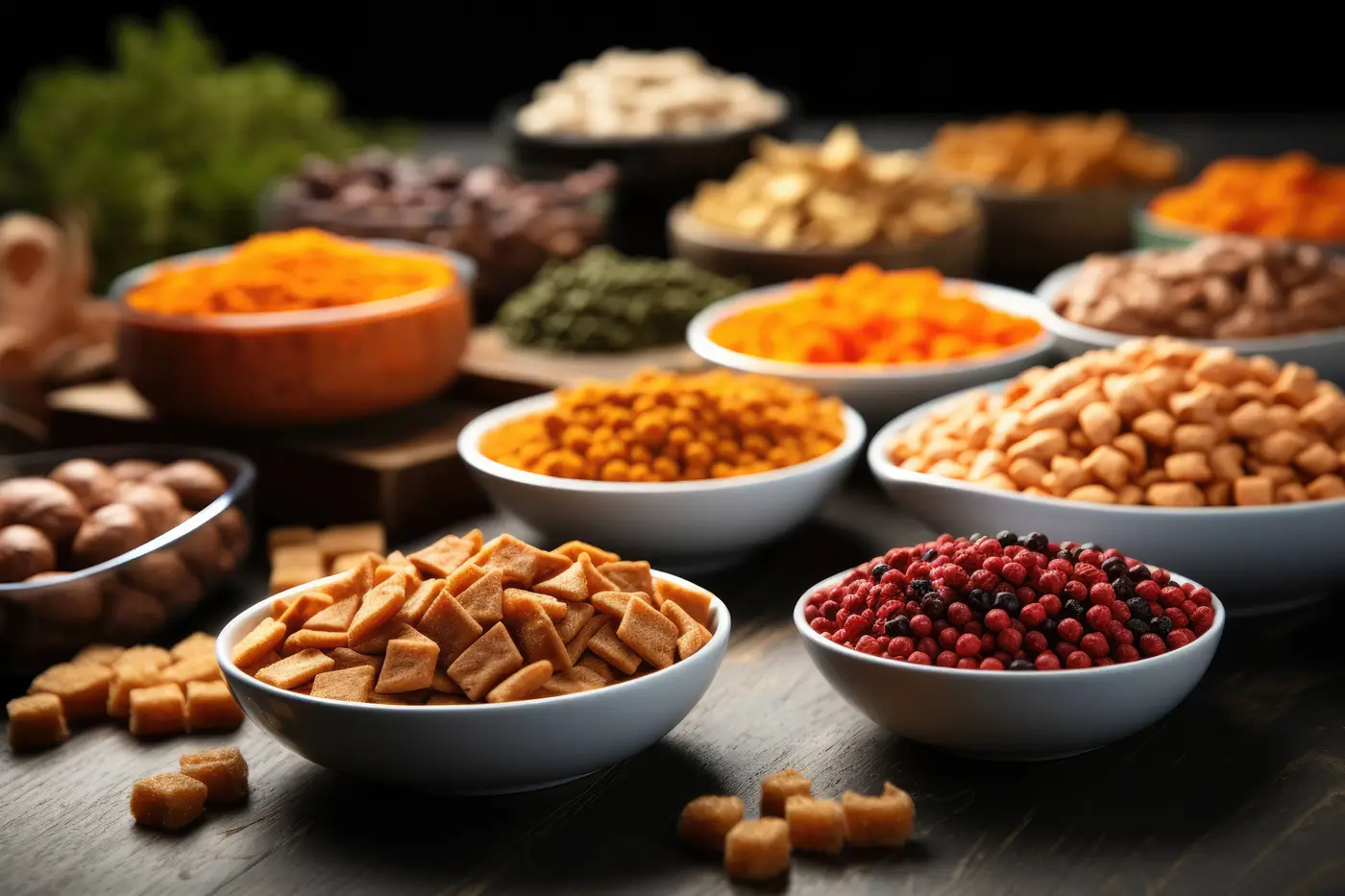
When it comes to our beloved pets, ensuring their health and well-being is a top priority. One aspect of their care that requires careful consideration is their diet. With the wide variety of pet food options available, choosing the best one for your furry friend can be overwhelming. However, understanding natural pet food ingredients and labels can help you make informed decisions about their nutrition. In this blog, we will delve into the importance of natural pet food ingredients, decipher common labels, and provide guidance on selecting the right food for your pet.
The Significance of Natural Pet Food Ingredients
Optimal Nutrition:
Natural pet food ingredients are sourced from wholesome, high-quality sources such as real meat, fish, vegetables, and fruits. These ingredients provide essential nutrients that support your pet's overall health and vitality. Opting for natural ingredients ensures your pet's diet is rich in vital proteins, carbohydrates, healthy fats, vitamins, and minerals.
Avoidance of Fillers and Additives:
Many conventional pet foods contain fillers, artificial colors, flavors, and preservatives that offer little to no nutritional value. These additives can trigger allergies, digestive issues, and long-term health problems in pets. On the other hand, natural pet food ingredients are free from these unnecessary fillers and additives, providing a cleaner and more digestible option for your pet.
- Fillers: Include corn, wheat, and soy. These offer little nutritional value and can cause digestive issues and allergies in pets.
- Artificial Colors: Red 40 and Yellow 5, are often added to make pet foods more visually appealing. However, these additives have been linked to hypersensitivity reactions and behavioral problems in pets.
- Artificial Flavors: Artificial beef or chicken flavors are used to enhance the taste of pet foods. These flavors often contain chemicals that can negatively impact a pet's overall health and may lead to gastrointestinal distress.
- Preservatives: BHA, BHT, and ethoxyquin are added to extend the shelf life of pet foods. However, these preservatives have been associated with various health issues, including cancer, organ damage, and allergic reactions.
Demystifying Pet Food Labels
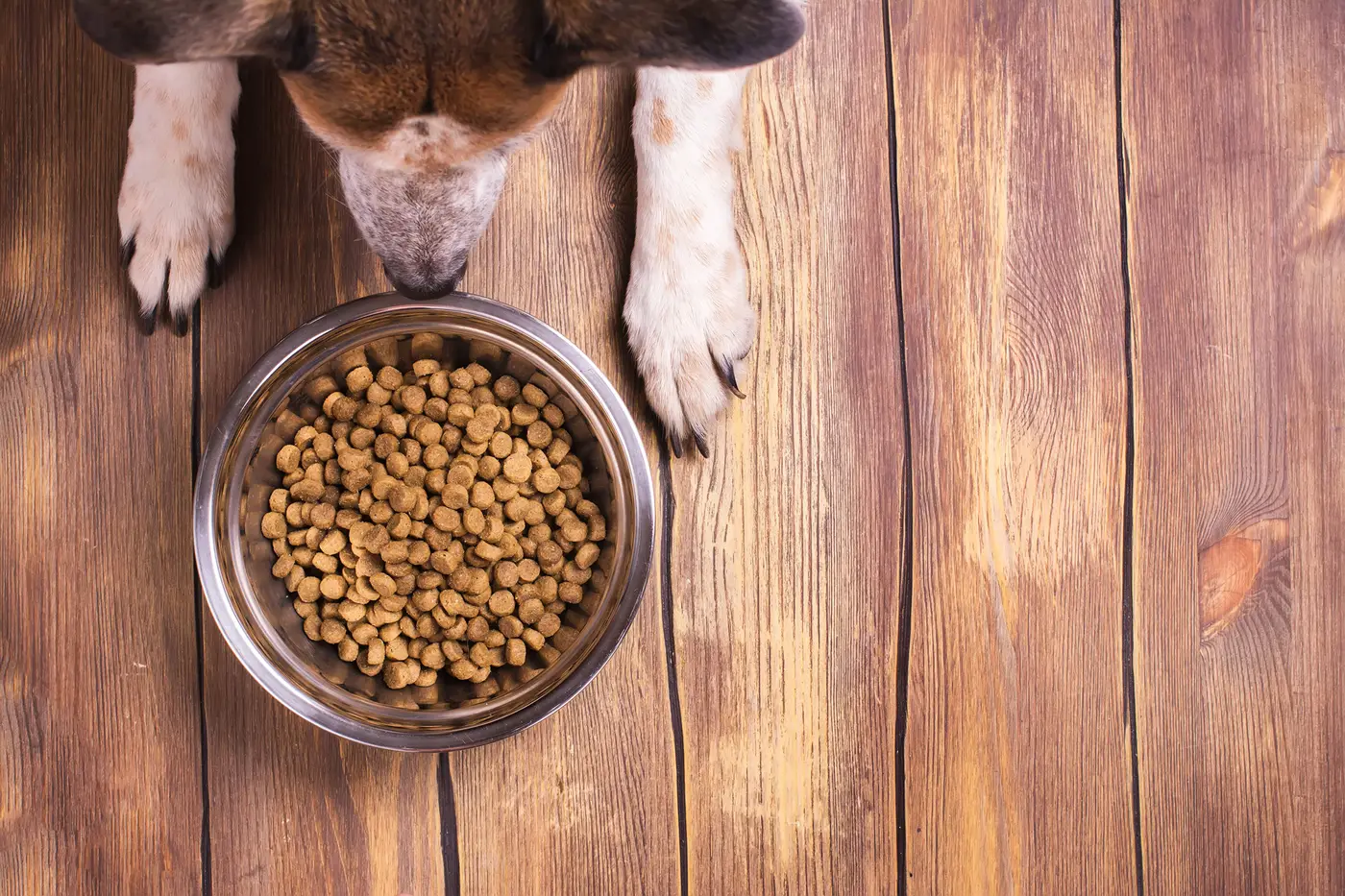
"Natural" Label:
The term "natural" on pet food labels signifies that the ingredients used are derived from natural sources and are minimally processed. However, it's important to scrutinize the entire ingredient list to ensure that the product truly lives up to its claim. Look for specific, recognizable ingredients rather than vague terms like "meat by-products" or "animal digest."
While meat by-products in pet foods can vary, here is a general list of commonly found meat by-products in conventional pet foods:
- Organ meats (liver, kidneys, lungs, spleen)
- Undesirable cuts (trimmings, heads, feet)
- Rendered fats and oils
These meat by-products should be avoided or approached with caution for a few reasons:
- Lack of Transparency: Meat by-products are often not specified, making it difficult to determine their quality or nutritional value.
- Quality and Sourcing: The quality of meat by-products can vary widely, potentially including lower-grade, less desirable cuts of meat or even parts that are not fit for human consumption.
- Nutritional Profile: While certain organ meats can be nutritious, the overall nutritional quality and balance of meat by-products may be questionable, potentially lacking essential nutrients.
- Allergies and Sensitivities: Some pets may have allergies or sensitivities to specific meat by-products, leading to digestive issues, skin problems, or other health concerns.
"Organic" Label:
Pet foods labeled as "organic" are made with ingredients that have been grown or raised without the use of synthetic pesticides, hormones, or antibiotics. Products carrying the official USDA Organic seal provide the highest level of assurance that the ingredients meet strict organic standards. Choosing organic options can minimize your pet's exposure to potentially harmful substances.
"Grain-Free" Label:
Grain-free pet food products exclude common grains like wheat, corn, rice, oats, barley, rye, and soy from their ingredients. These options can be beneficial for pets with grain sensitivities or allergies. However, grain-free pet foods may actually contain more starch in place of those grains, as kibble still needs a binder. For dogs struggling with obesity, the higher starch content can be worse for them.
“Ancient Grains” Label:
Many grain-inclusive foods list ancient grains on the bag. Ancient grains are grains that have not gone through modern hybridization processes and are more nutritious for our pets than grains that have been refined and processed, like corn, wheat, and soy. Ancient grains often include quinoa, buckwheat, chia seeds, millet, sorghum, and spelt.
“Hydrolyzed Proteins” Label:
Hydrolyzed proteins are often used in dog and cat foods to avoid allergens in food sources. Hydrolyzed proteins are proteins that have been broken down into the smallest fundamental pieces. By doing this the protein source (chicken, beef, etc.) becomes unrecognizable by the immune system.
Selecting the Right Pet Food
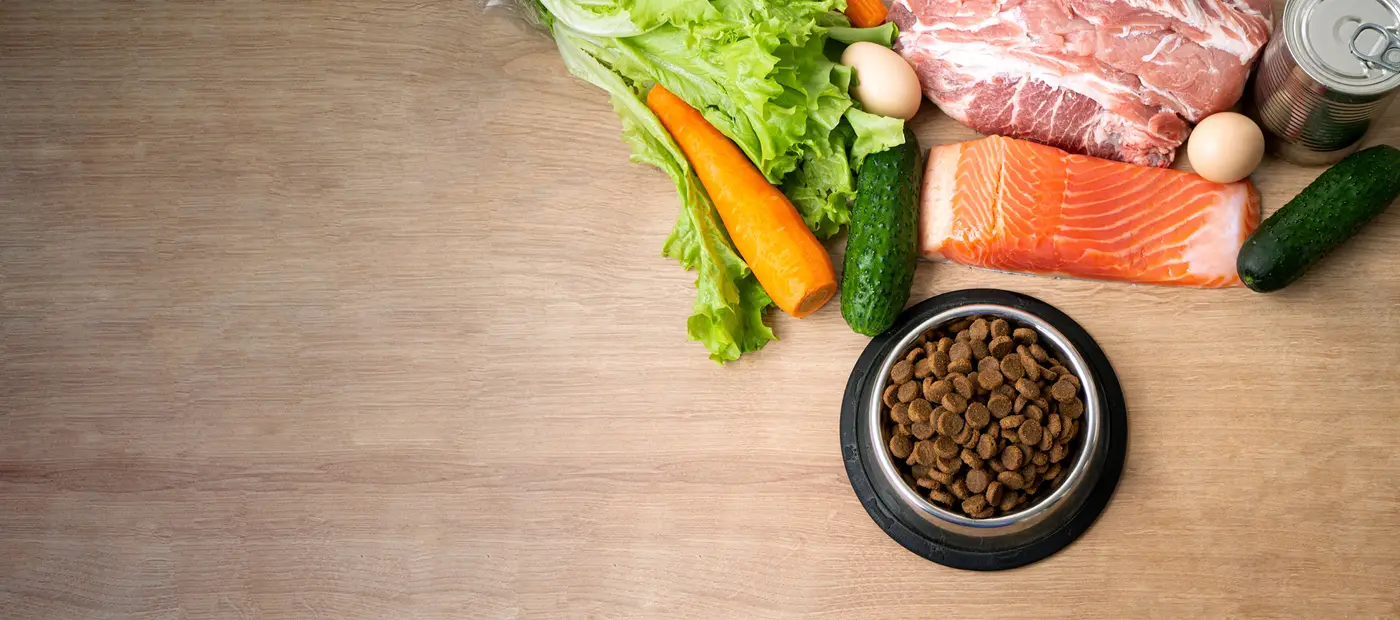
Every pet is unique, with different dietary requirements based on age, breed, size, and health condition. If you need further guidance, consider consulting with your veterinarian to understand your pet's specific nutritional needs. They can guide you in selecting a pet food that aligns with your pet's needs.
Read and Understand the Ingredient List:
Before purchasing pet food, read the ingredient list carefully. Look for wholefood ingredients such as real meat, poultry, or fish as the primary source of protein. Avoid products with excessive fillers and artificial additives. The ingredient list should be transparent and easily understandable without vague or unrecognizable terms.
Research the Manufacturer:
Ensure that the pet food manufacturer is reputable and demonstrates a commitment to transparency and quality. Look for brands that conduct rigorous testing, have a solid track record, and follow industry standards for pet food manufacturing. Many quality brands list awards, certifications, and seals on the bag - be on the lookout for those! Lastly, knowing where companies source their ingredients is important for many pet parents.
Buy Natural Pet Food From a Trusted Source
Choosing the right pet food for your furry companion is a decision that can significantly impact their overall health and happiness. Understanding natural pet food ingredients and labels empowers you to make well-informed choices when it comes to their nutrition. By prioritizing wholesome, natural ingredients and avoiding fillers and additives, your pet can have a balanced diet that promotes their well-being. Remember to consult with your veterinarian to address your pet's specific dietary needs. Your furry friend deserves nothing but the best when it comes to their nutrition, so choose wisely and watch them thrive.
At Hounds & Co., we specialize in natural and raw pet food from only the highest quality brands. You can feel confident knowing that you’ve always chosen the right food for your pet - and our helpful staff is here to help!