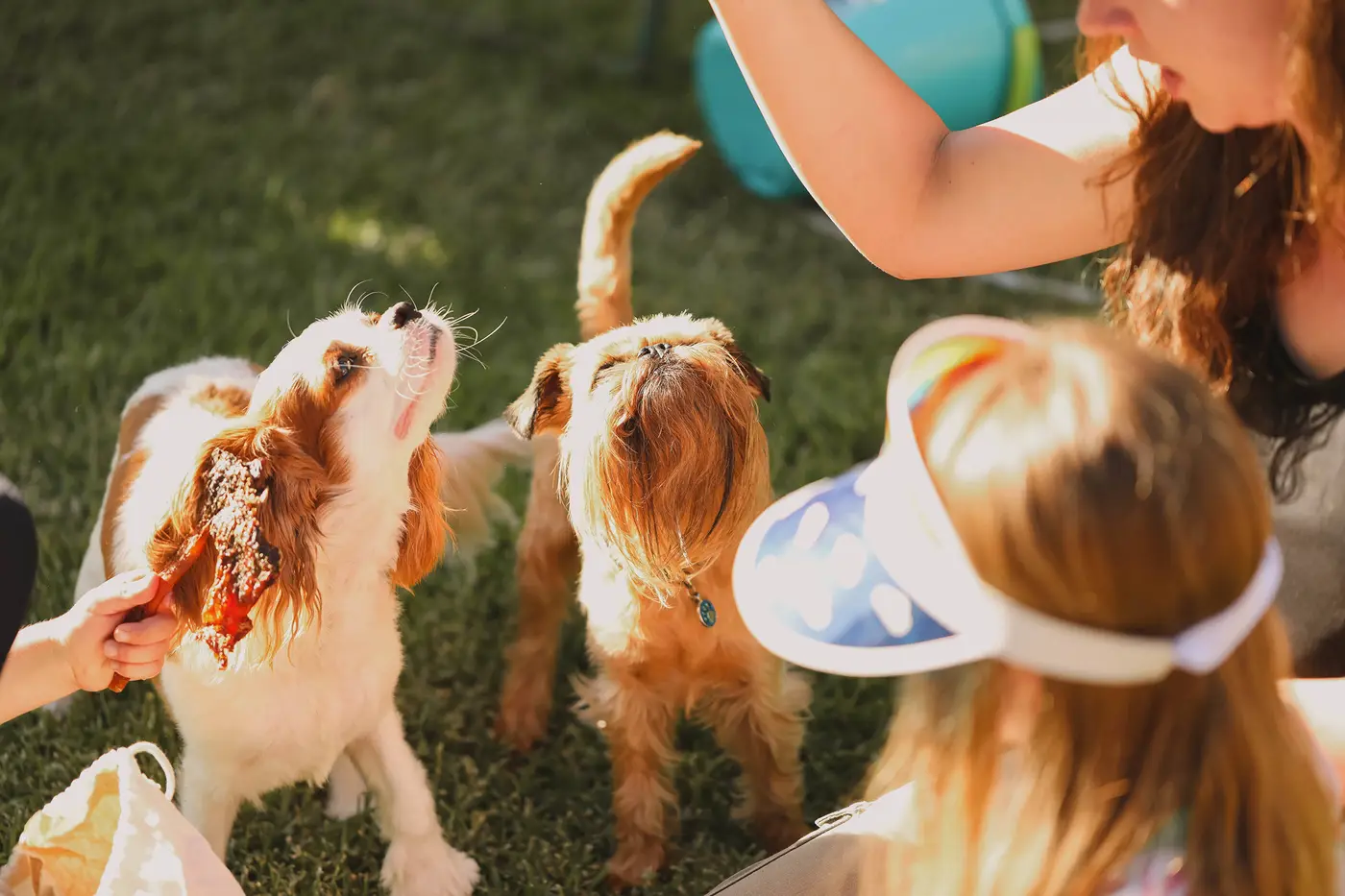
The Importance of Pet Socialization: Tips for Introducing Your Pet to New Environments

Welcoming a new pet into your home is an exciting milestone, but it also comes with the responsibility of ensuring comfort, confidence, and well-adjustment. One of the most crucial aspects of raising a happy and healthy companion is pet socialization. Whether you have a playful puppy, a curious kitten, or an older rescue, introducing your pet to new environments and experiences is key to their overall well-being.
Why Pet Socialization Matters
Pet socialization is the process of gently and gradually exposing your pet to a variety of people, animals, sights, sounds, and smells. This exposure helps your pet learn how to react calmly and positively to new situations, reducing the risk of fear, anxiety, or aggression. Well-socialized pets are more adaptable, less stressed during vet visits or grooming, and are generally easier to manage in public spaces.
Some of the top benefits of pet socialization include:
- Increased confidence in new situations
- Reduced fear and anxiety
- Lower risk of aggressive behavior
- Easier handling during grooming and vet exams
- More opportunities for exercise and fun outings
Tips for Successful Pet Socialization
Start Early, But It’s Never Too Late
The best window for pet socialization is during puppyhood or kittenhood, typically up to four months of age. However, older pets can still benefit from gradual and positive exposure to new experiences.
Take Baby Steps
Avoid overwhelming your pet by introducing new environments and experiences slowly. Start with quiet, familiar settings and gradually increase the level of stimulation. For example, let your pet observe new people or animals from a distance before allowing direct interaction.
Create Positive Associations
Use treats, praise, and gentle encouragement to help your pet associate new experiences with positive outcomes. If your pet seems anxious, take a step back and try again later, always keeping the experience upbeat and stress-free.
Involve the Whole Family
Having different family members participate in the socialization process helps your pet learn to trust and interact with a variety of people. Make it a fun, family activity by keeping a log of new experiences and celebrating milestones.
Provide Safe Spaces
Set up designated areas in your home where your pet can retreat and feel secure. This is especially important when introducing your pet to other animals or new household members. Separate spaces help reduce stress and allow for gradual introductions.
Enrich Their Environment
Offer toys, puzzles, and activities that stimulate your pet’s mind and encourage exploration. Regular play and training sessions not only build your bond but also help your pet adjust to new environments
Stick to a Routine
Consistency in feeding, playtime, and rest helps your pet feel secure as they adapt to changes. Predictable routines reinforce positive behaviors and make new experiences less intimidating.
Consider Professional Support
If your pet is particularly anxious or reactive, consider enlisting the help of a professional trainer or pet sitter. These experts can provide tailored support and guidance to ensure successful socialization.
Special Considerations for Reactive Pets
At Hounds and Co., we understand that every pet’s journey is unique. That’s why we offer a wide range of premium pet foods, treats, toys, and enrichment products to support your pet’s health and happiness. Our knowledgeable staff is always ready to help you find the best options for your companion.
For those with reactive or easily overwhelmed pets, we’re proud to offer reactive pet hours at our store. These special sessions provide a calm, low-stress shopping environment where your pet can explore at their own pace. It’s just one of the many ways Hounds and Co. is committed to supporting your pet socialization journey.