

Prebiotics, Probiotics, and Postbiotics: How They Work in Dogs and Cats
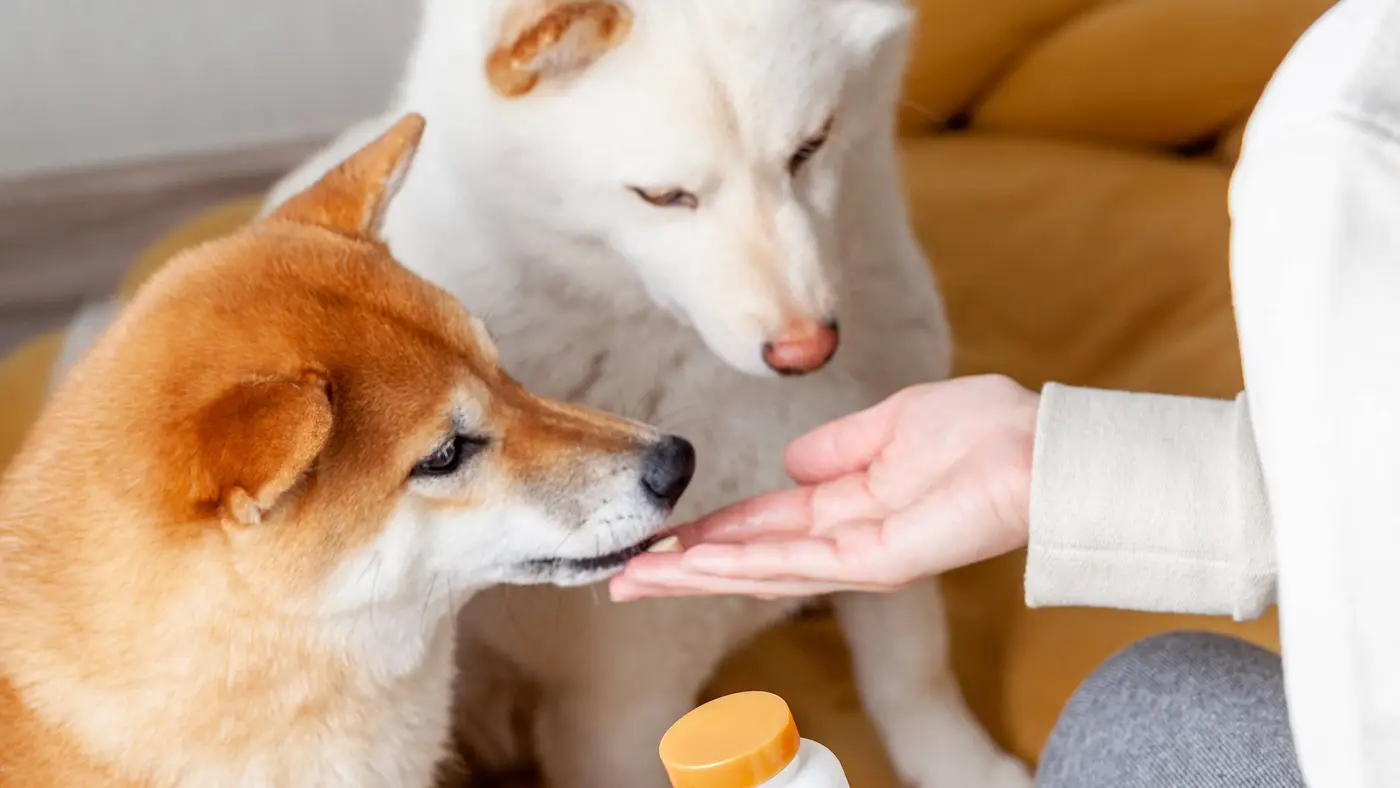
Prebiotics, probiotics, and postbiotics each play a distinct role in your pet's digestive health, and understanding how they connect can help you make smarter choices when you're standing in the supplement aisle. At Hounds and Co, gut health questions come up almost as often as food questions, so here's a clear look at what each of these does, how dogs and cats respond differently, and what to look for in a quality supplement.
What Are Prebiotics?
Prebiotics are non-digestible fibers that your pet's body can't break down on its own. Instead, they travel to the gut and become food for the beneficial bacteria already living there. Common sources include inulin, fructooligosaccharides (FOS), chicory root, pumpkin, and oats, and you'll find them listed as ingredients in many quality pet foods, not just supplements.
Think of prebiotics as fertilizer. They don't add new bacteria to the gut; they feed and strengthen the population that's already there, which can support more regular digestion over time.
Source: https://isappscience.org/resource/prebiotics-and-probiotics-for-pets/
What Are Probiotics?
Probiotics are live beneficial bacteria, most often strains of Lactobacillus and Bifidobacterium. They're added directly to your pet's gut through food or supplements. To do any good, these bacteria have to survive the trip through stomach acid and reach the intestines alive. That's why strain quality matters more than a big number on the label.
Once established, probiotics help crowd out harmful bacteria, support digestion, and aid nutrient absorption. They're often recommended around specific events, like a course of antibiotics, a stressful boarding stay, or a switch to a new food. These are specific times when the gut's normal balance is more likely to get thrown off
Source: https://animalbiome.vet/blogs/pet-health/biotics-in-patient-health
How the Three Work Together for Your Pet’s Health
Imagine your pet’s gut as a garden. Probiotics are the seeds, prebiotics are the fertilizer that helps those seeds grow, and postbiotics are the fruit the garden eventually produces. Prebiotics feed the bacteria already in your pet's gut. Probiotics add new beneficial bacteria to the mix. Postbiotics are the beneficial compounds left behind once that bacteria goes to work.
All three support the same goal: a balanced gut microbiome.
Research increasingly links that balance to immune strength. More than half of your pet's immune system is closely tied to gut health.
Pro tip: A supplement that combines a prebiotic fiber with a live probiotic strain is called a synbiotic. It's becoming a common way to cover both ends of the process in one product.
Source: https://www.hcpetsupply.com/s/stories/pet-nutrition-immune-systems
Dogs vs. Cats: Why Species Matters for Gut Support
Dogs and cats don't respond to gut support the same way. Dogs generally have a more flexible microbiome and tolerate higher amounts of fiber well. Both prebiotics and probiotics tend to work smoothly for them.
Cats have a less flexible gut microbiome and typically need less fiber. Quality and strain selection matter more than quantity when choosing a probiotic for a cat.
Postbiotics are the exception. Because they're stable, non-living compounds, they work safely and effectively in both dogs and cats without the same species-specific balancing act. That's part of why they're showing up in more multi-pet households.
Signs Your Pet's Gut Could Use Support
Loose stools, gas, and inconsistent appetite are the most obvious digestive signals, but gut imbalance can show up in less obvious ways too. Skin issues like hot spots, dull coat, or recurring itching often trace back to the gut-skin connection that's well recognized in veterinary medicine.
Pets recovering from antibiotics, dealing with stress from travel or boarding, or transitioning to a new food can also benefit from extra support while their microbiome resets. None of these signs are exclusive to a gut problem, so it's worth ruling out other causes with your vet before assuming a supplement is the fix.
Source: https://www.hcpetsupply.com/s/stories/switch-dog-food-safely
Choosing a Quality Supplement
Not all supplements are created equal, and the pet supplement aisle has far less regulation than pet food itself. Here’s what to look for on the label to ensure you’re choosing quality products:
● Specific bacterial strains rather than a vague probiotic blend
● Guaranteed CFU count too, typically 1 to 10 billion CFUs per day for most dogs and cats
● A third-party quality seal, like the NASC seal, is a good sign the manufacturer backs up its label claims
When choosing a new supplement, give it a few weeks before judging results, since gut changes tend to build gradually rather than overnight. Every pet's situation is different. It's worth running any new supplement by your veterinarian first, especially for pets with existing health conditions.
Supporting Gut Health at Hounds and Co
Choosing the right prebiotics, probiotics, and postbiotics for your pets doesn't have to be complicated once you know what each one does.
At Hounds and Co, we carry a range of prebiotic, probiotic, and postbiotic options for both dogs and cats. Our team can help you figure out which one fits your pet's needs, whether that's everyday digestive support or something more targeted, and we're always happy to talk through strain quality and CFU counts with you.