

How to Transition Your Pet to a New Diet Safely
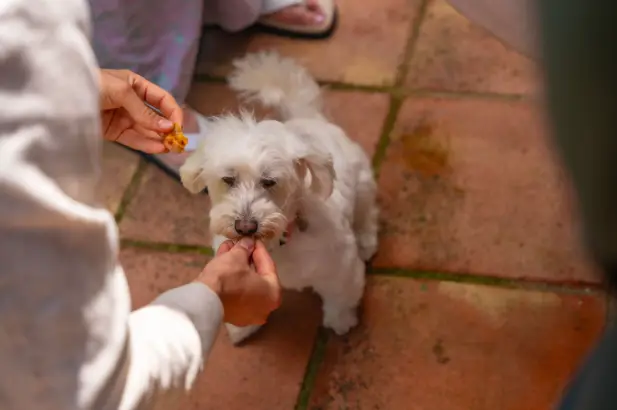
So you've found the perfect new food for your pup, maybe it's a formula better suited to their age, addresses allergy concerns, or simply offers better quality ingredients. That's exciting! But before you dump out the old bag and fill their bowl with the new stuff, pump the brakes.
Switching your pet's food abruptly is one of the fastest ways to turn dinnertime into a digestive disaster. The good news? When you switch dog food safely using a gradual transition, you can avoid upset stomachs, diarrhea, and a very unhappy pup (or kitty).
At Hounds & Co. in Portage, Michigan, we've guided countless pet parents through successful food transitions. Whether you're switching brands, formulas, or protein sources, this guide will walk you through exactly how to make the change smoothly and safely.
Why You Can't Just Switch Dog Food Overnight
Think about how you'd feel if you ate the same meals every day for months, then suddenly switched to a completely different cuisine. Your digestive system would probably protest, right? Your dog's system works the same way.
Your pet's gut contains billions of beneficial bacteria specifically adapted to digest their current food. These microbes need time to adjust when new ingredients show up. When you switch dog food safely with a gradual transition, you're giving that gut microbiome time to adapt.
What Happens When You Switch Too Fast:
- Vomiting
- Diarrhea or loose stools
- Gas and bloating
- Loss of appetite
- Stomach cramping and discomfort
- Refusal to eat the new food
Some pets have iron stomachs and might handle an abrupt switch without issues, but why risk it? A gradual transition is always the safer bet.
The Standard Timeline to Switch Dog Food Safely
The golden rule for most pets is a 7-10 day transition. This gives their digestive system adequate time to adjust without causing upset. Here's the standard schedule we recommend at Hounds & Co.:
The 7-Day Transition Schedule
Days 1-2: 75% Old Food + 25% New Food: Start slow. Mix just a quarter of the new food with three-quarters of their current food. Watch for any signs of digestive upset.
Days 3-4: 50% Old Food + 50% New Food: If everything's going well, move to a half-and-half mixture. This is when you'll really see if your pet tolerates the new food.
Days 5-6: 25% Old Food + 75% New Food: The new food now dominates the bowl. Your pet should be getting used to the taste, and their system should be adjusting.
Day 7 and Beyond: 100% New Food: If all has gone smoothly, you can now feed the new food exclusively. Congratulations, you've successfully completed a safe food transition!
The 10-Day Transition for Sensitive Stomachs
Some dogs (and cats) have notoriously sensitive digestive systems. Breeds like German Shepherds, Yorkies, and many small breeds often need extra time. If your pet has a history of digestive issues, stretch the transition to 10-14 days:
Days 1-3: 75% old, 25% new
Days 4-6: 60% old, 40% new
Days 7-9: 40% old, 60% new
Days 10-12: 20% old, 80% new
Days 13+: 100% new
There's no prize for rushing. When you switch dog food safely, slower is always better than dealing with two weeks of diarrhea.
Special Circumstances: When the Rules Change
While the gradual approach works for most situations, some scenarios require different strategies.
Emergency Situations
If your current food has been recalled or your pet has a severe allergic reaction, your vet may advise an immediate switch. In these cases:
- Ask about digestive support (probiotics, pumpkin, etc.)
- Expect some digestive upset, and be prepared
- Monitor closely for any concerning symptoms
- Keep your vet informed of any issues
Switching from Low-Quality to High-Quality Food
When moving from a grocery store brand to premium food like the brands at Hounds & Co., you might actually see loose stools during transition, but for a different reason. Higher-quality foods are more nutrient-dense and digestible, meaning your pet's body is absorbing more nutrition.
This is normal and should resolve within a week. The key is to switch dog food safely using that gradual timeline so you can distinguish between adjustment and actual intolerance.
Switching Protein Sources
Moving from chicken to beef? Duck to salmon? Protein changes can be more dramatic for your pet's system. Consider extending your transition to 14 days, especially if switching to a novel protein your pet has never eaten.
Puppies and Kittens
Young animals often handle food changes better than adults because their digestive systems are still developing and more adaptable. However, you should still switch dog food safely using at least a 5-7 day transition. Never rush it just because they're young.
Senior Pets
Older pets often have more sensitive digestion and may need the full 10-14-day transition. Their bodies don't adapt to change as quickly, so patience is crucial.
Signs Your Transition Is Going Well
When you switch dog food safely, you should see these positive indicators:
Healthy Indicators:
- Normal, firm stools (might be slightly softer during transition)
- Good appetite and enthusiasm at mealtime
- Normal energy levels
- No vomiting or excessive gas
- Steady water consumption
- No signs of discomfort or stomach pain
Coat and Skin Benefits (after 4-6 weeks): Once fully transitioned, you might notice a shinier coat, healthier skin, and even better breath as the new food's benefits kick in.
Red Flags: When to Pause or Slow Down
If you notice these symptoms during the transition, you're moving too fast:
Warning Signs:
- Diarrhea lasting more than 24 hours
- Vomiting more than once
- Complete loss of appetite
- Lethargy or unusual tiredness
- Excessive gas or bloating
- Visible stomach pain (hunched posture, whimpering)
- Blood or mucus in stool
What to Do:
- Step back to a higher ratio of old food
- Slow down the transition timeline
- Add digestive support like plain pumpkin or probiotics
- Call your vet if symptoms persist or worsen
Sometimes a pet simply doesn't tolerate a particular food, and that's okay. The team at Hounds & Co. can help you select an alternative that might work better.
Tips to Switch Dog Food Safely for Picky Eaters
Some pets turn their noses up at new food, even when mixed with their favorite kibble. Here's how to help finicky eaters accept the change:
Make It More Appealing:
- Warm the food slightly to enhance aroma (works great with wet food)
- Add a small amount of low-sodium broth
- Mix in a spoonful of plain pumpkin or sweet potato
- Use a compatible wet food topper from Hounds & Co.
- Try the new food at their hungriest time of day
Stay Consistent:
- Don't free-feed during transition—use set meal times
- Pick up uneaten food after 20 minutes
- Don't give in and offer only old food
- Resist the urge to add excessive treats or table scraps
Patience Is Key: Some dogs take a few days to accept new flavors. If they're otherwise healthy and acting normal, a little mealtime stubbornness is okay.
Switching Between Wet and Dry Food
Moving from kibble to wet food (or vice versa) requires the same gradual approach, but with a few extra considerations.
Kibble to Wet Food
Since wet food has much higher moisture content, your pet will drink less water—this is normal. You might also notice:
- More frequent bathroom trips initially
- Softer stools (still formed, just softer)
- Better hydration
- More enthusiasm at mealtime
Start by mixing small amounts of wet food into kibble, gradually increasing the wet and decreasing the dry.
Wet Food to Kibble
This transition can be trickier because:
- Dry food is less aromatic and might seem less appealing
- It requires more chewing (which lazy pets might resist)
- The texture difference is dramatic
Try mixing moistened kibble with the wet food to bridge the texture gap. Gradually reduce moisture and increase dry kibble over 10-14 days.
Mixing Both Long-Term
Many pet parents find success feeding both wet and dry food together. This provides variety, added moisture, and can help picky eaters. When you switch dog food safely to a combination approach, use the same gradual mixing method.
At Hounds & Co., we carry excellent wet food options from Fromm's Pâté, Diner, and Frommbalaya lines that pair beautifully with their dry formulas.
Adding Toppers, Supplements, and Treats During Transition
You might be tempted to add new supplements or treats at the same time you're switching food. Resist this urge!
The One-Change-At-A-Time Rule: When you switch dog food safely, that should be the ONLY dietary change during the transition period. Here's why:
- If digestive upset occurs, you won't know what caused it
- Multiple new ingredients overwhelm the digestive system
- You can't properly evaluate food tolerance
Wait until 2-3 weeks after completing the transition before introducing:
- New supplements
- New treats
- New toppers or mix-ins
- New chews or dental products
The exception? Your vet recommends probiotics or digestive enzymes specifically to support the transition. Those can help when used appropriately.
The Role of Probiotics When You Switch Dog Food Safely
Speaking of probiotics, these beneficial bacteria can be game-changers during food transitions, especially for pets with sensitive stomachs.
How Probiotics Help:
- Support healthy gut bacteria during the change
- Reduce gas and bloating
- Firm up loose stools
- Improve nutrient absorption
- Strengthen digestive and immune health
Start probiotics a few days before beginning the transition for best results. We carry excellent probiotic supplements at Hounds & Co. that can support your pet's digestive health.
Transitioning Between Brands or Formulas
The transition process is similar whether you're switching brands or staying within the same brand but changing formulas (like puppy to adult, or one protein to another).
Staying Within the Same Brand
Transitioning between formulas from the same manufacturer (like moving from Fromm Gold Puppy to Fromm Gold Adult) is often easier because:
- Manufacturing processes are consistent
- Ingredient quality is similar
- Your pet's system recognizes the brand's ingredients
You might get away with a 5-7 day transition, but we still recommend the full 7-10 days to switch dog food safely.
Changing Brands
Switching from one manufacturer to another requires the full 7-10 day timeline (or longer for sensitive pets) because:
- Different sourcing of ingredients
- Different processing methods
- Different nutrient profiles
- More dramatic change for your pet's system
Creating a Transition Journal
Here's a pro tip from the Hounds & Co. team: keep a simple journal during the transition. Track:
Daily Notes:
- Ratio of old to new food
- Appetite level (1-10 scale)
- Stool quality (firm, soft, loose, etc.)
- Energy level
- Any unusual behaviors
- Water consumption
This documentation helps you:
- Identify patterns if problems arise
- Share accurate information with your vet if needed
- Remember what worked for future transitions
- Pinpoint exactly when issues started
Age-Specific Transition Considerations
Puppy to Adult Food
Around 12 months for most breeds (18-24 months for large/giant breeds), you'll need to switch from puppy to adult formula. Use the full 7-10 day transition even though they're from the same brand.
Why the switch matters: Puppy food has more calories, calcium, and protein for growth. Adult dogs don't need those levels and might gain unhealthy weight.
Adult to Senior Food
Around age 7 (or 5-6 for large breeds), transition to senior formulas that support aging bodies with:
- Moderate protein to maintain muscle
- Lower calories to prevent weight gain
- Joint support ingredients
- Easily digestible components
Special Needs Formulas
Switching to weight management, limited-ingredient, or therapeutic diets requires extra patience. These formulas often taste quite different from regular food, so expect a longer adjustment period.
Seasonal or Rotation Feeding
Some pet parents practice rotation feeding, switching proteins every few months for variety and to prevent sensitivities from developing. If you choose this approach:
- Still use the gradual transition each time
- Keep detailed records of what proteins your pet has tried
- Watch for any reactions to new proteins
- Maintain the same brand/quality level for consistency
At Hounds & Co., Fromm's Four-Star line is perfect for rotation feeding with options like duck, salmon, beef, and game bird recipes.
The Hounds & Co. Difference: Support Every Step of the Way
Transitioning food can feel overwhelming, especially if it's your first time or if your pet has a sensitive system. That's exactly why Hounds & Co. exists; to support Portage families through every stage of pet parenthood.
How We Help:
- Expert Guidance: Our team knows the brands we carry inside and out
- Product Matching: We ensure any treats or toppers align with your new food
- Quality Products: We only stock brands we trust
We've guided hundreds of successful transitions, from simple formula changes to complex multi-pet household situations.
Ready to Make the Switch?
Whether you're upgrading to better quality food, addressing health concerns, or simply rotating proteins, the key is taking your time and doing it right. When you switch dog food safely, you avoid digestive disasters and set your pet up for success with their new diet.
Hounds & Co. 9651 Portage Road Portage, MI 49002
Phone: (269) 366-4931