

Raw Pet Food vs Kibble: Which One is Better for Your Pet?

As a pet parent, you want the best for your four-legged friend, including a healthy diet that meets their nutritional needs. Various pet food options are available, but two, in particular, have gained significant attention - raw pet food and kibble. Both these options have their benefits and drawbacks. In this blog, we'll explore the differences between raw pet food and kibble, the pros and cons of each, and help you decide which option is the best for your pet.
Raw Pet Food
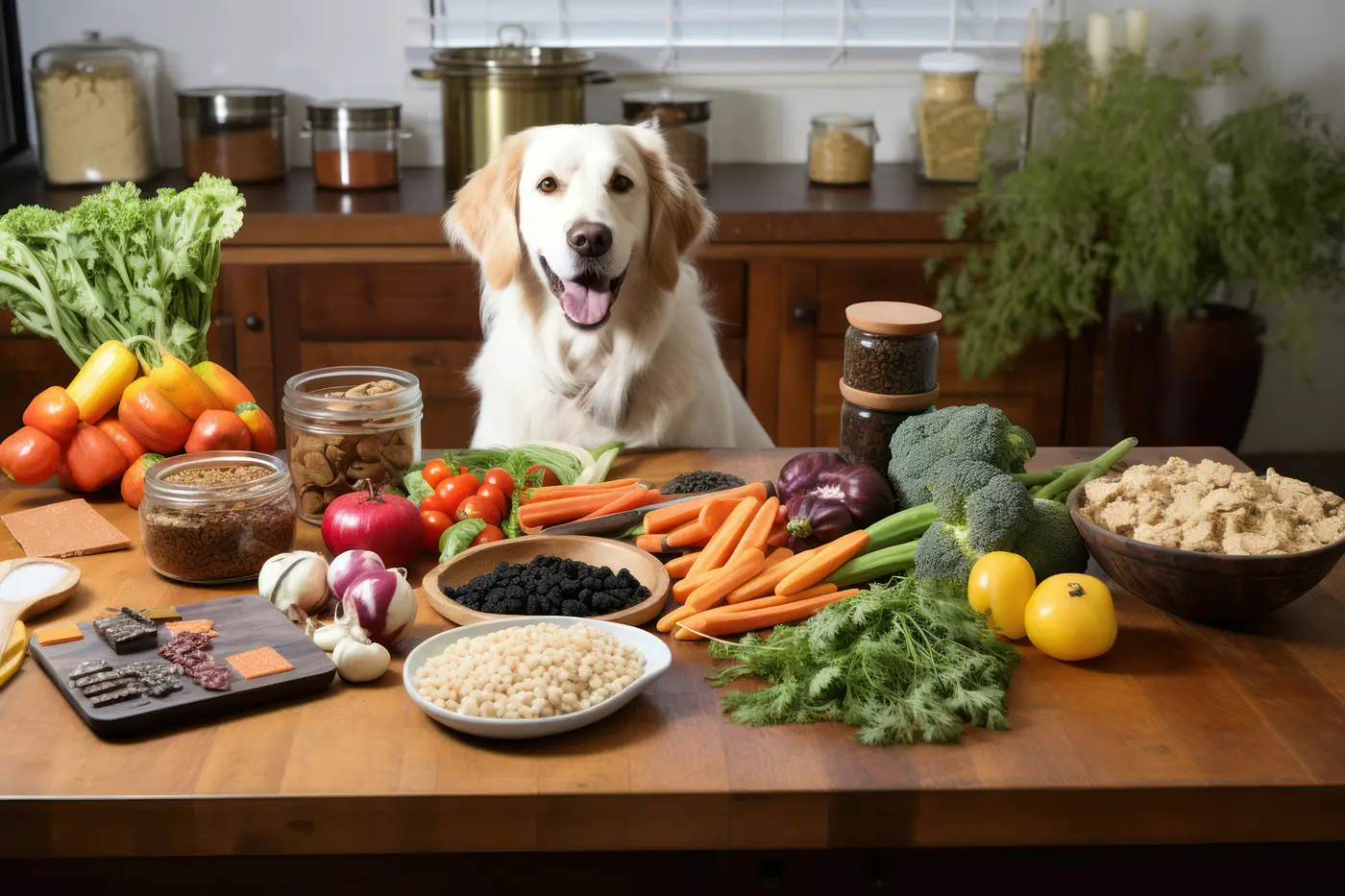
Raw pet food is exactly what the name suggests: a diet primarily consisting of raw, uncooked meats, vegetables, and bones. This type of diet is meant to mimic the diet of wild animals in their natural habitat. Advocates of raw pet food claim that it provides a host of benefits, including:
Nutrient-Rich:
Raw pet food provides vital nutrients that may get lost during cooking. Most raw food is not processed and retains its natural nutrients, protein, enzymes, and vitamins. This makes it a healthy option for pets of all ages.
Improved Digestion:
Raw pet food is easier to digest for pets than their kibble counterparts. Pet owners who switch from kibble to a raw diet often notice an improvement in their pet's digestion and overall health. Pets’ bodies are able to more effectively digest raw natural foods which aids in stool quality and quantity.
Grain-Free:
Raw pet food doesn't rely on grains like corn, wheat, or rice found in kibble. Ingredients like corn and wheat are practically indigestible, meaning pets are unable to utilize it. Consequently, pets that are prone to grain allergies or sensitivities may better benefit from a raw pet food diet.
Kibble

Kibble is a processed dry food option that has been around for decades. It comes in various flavors, shapes, and sizes, adding pet nutritional supplements. Some benefits of kibble include:
Convenient:
Kibble is easy to store, serve, and transport. It doesn't require refrigeration and comes in resealable bags, so pet owners can easily scoop out what they need for their pets' meals. Kibble is also complete and balanced, meaning you don’t have to worry about your pet getting the nutrients they need.
Variety of Options:
Convenience is a plus for many pet owners, and kibble is available in many different flavors and varieties, making it easy for pet owners to find the right food for their pets' needs. The kibble market is competitive, giving customers ample choices.
Economical:
For cost-conscious pet owners, kibble is much more cost-effective than raw pet food, especially for large breeds or households with more than one pet. It is generally cheaper to produce, making it an economical choice for pet owners.
Choosing the Right Diet for Your Pet
When considering whether raw pet food or kibble is the better option for your pet, it's essential to consider the animal's specific needs. Here are a few things to keep in mind:
Age and Health:
Pets have specific dietary requirements based on their age and overall health condition. Not all pets may be able to handle a raw diet, sometimes due to medical conditions. Consult your veterinarian to understand your pet's nutritional considerations and tailor their diet accordingly. It’s important to note that not all veterinarians approve of raw diets, so more than one professional opinion may be necessary.
Preference and Convenience:
Some pets may not like the taste or texture of raw pet food, while others may love it. Similarly, kibble may be more convenient and economical for pet owners. When deciding, select a diet that suits both the animal's needs and the owner's lifestyle.
Budget:
Raw pet foods are generally more expensive than kibble. Consider your budget and whether you can afford to switch to a raw pet food diet, keeping in mind any potential additional costs of storage and preparation. Bone broths and toppers can be used to supplement some nutrition lost in kibble and keep it cost effective.
Raw Pet Food in Portage
Ultimately, the choice between raw pet food and kibble comes down to what's best for your pet and your lifestyle. Raw pet food provides a nutrient-dense, easily digestible option, while kibble is a cost-effective and convenient choice. Consult with your veterinarian, do your research, and choose the right diet for your furry friend. Remember that regardless of the selected option, always ensure that your pet receives the necessary nutrients and a balanced diet that will keep them healthy and happy for years to come.
Hounds and Co. is committed to not only providing a warm and friendly customer experience, but our knowledgeable staff can help you transition your pet to a raw food diet. We believe in building lasting relationships with our customers and their pets. We're always here to offer support, answer your questions, and guide you through transitioning to a raw pet food diet.