

Pet Hydration Tips: Why Water Matters for Your Pet's Health
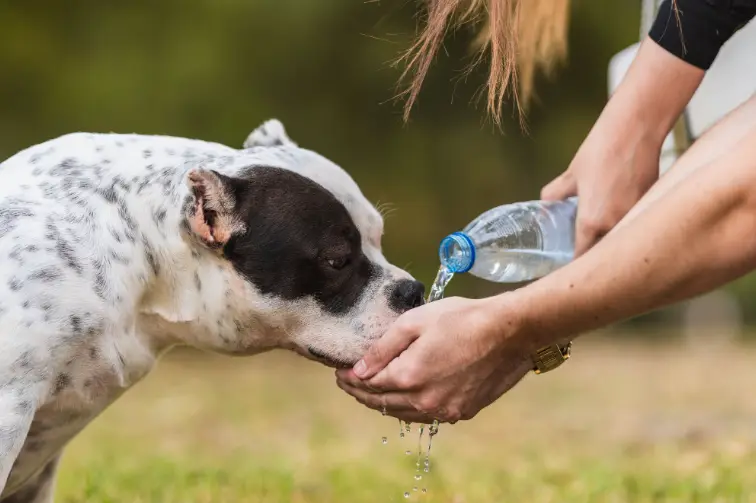
Water is the foundation of life, yet pet hydration often doesn't get the attention it deserves. At Hounds and Co., we believe that understanding proper hydration is just as important as choosing the right food for your furry companion. Whether you have an energetic puppy, a senior cat, or anything in between, these pet hydration tips will help you ensure your pet stays healthy and happy.
Why Pet Hydration Matters
Water makes up approximately 60-70% of your pet's body weight and is essential for virtually every bodily function. From regulating temperature and transporting nutrients to cushioning joints and eliminating waste, proper hydration keeps your pet's systems running smoothly.
Dehydration can quickly become serious, leading to organ damage, urinary issues, and in severe cases, life-threatening complications. Understanding these pet hydration tips and implementing them daily is one of the simplest yet most important things you can do for your companion's well-being.
How Much Water Do Pets Actually Need?
One of the most common pet hydration tips we share at Hounds and Co. is the general rule: dogs and cats typically need about one ounce of water per pound of body weight daily. A 20-pound dog, for example, should drink approximately 20 ounces of water each day.
However, several factors influence individual needs. Active pets, nursing mothers, and those in hot climates require more water. Pets eating dry kibble need more hydration than those on wet food diets, which can contain 70-80% moisture. Age also plays a role; puppies and kittens have higher hydration needs relative to their size.
Monitor your pet's water intake and consult your veterinarian if you notice significant changes. Drinking excessively or too little can both indicate health issues requiring attention.
Recognizing Dehydration in Your Pet
Among the most critical pet hydration tips is learning to identify dehydration early. The classic skin tent test is simple: gently pinch the skin at your pet's shoulder blades and release. Well-hydrated skin snaps back immediately, while dehydrated skin returns slowly or remains tented.
Other warning signs include dry, sticky gums, sunken eyes, lethargy, loss of appetite, and thick saliva. Severe dehydration may cause panting, a weak pulse, or collapse. If you suspect your pet is dehydrated, offer water immediately and contact your veterinarian, especially if symptoms are moderate to severe.
Pet Hydration Tips for Encouraging Water Intake
Some pets are naturally enthusiastic drinkers, while others need encouragement. Here are practical pet hydration tips to increase water consumption:
Keep water fresh and clean. Change your pet's water at least twice daily. Stale water can develop bacteria and discourage drinking. At Hounds and Co., we recommend stainless steel or ceramic bowls, which are easier to clean and don't retain odors like plastic.
Provide multiple water stations. Place bowls in different locations throughout your home. Pets are more likely to drink if water is conveniently accessible. This is especially helpful for senior pets with mobility issues or multi-level homes.
Invest in a pet water fountain. Many pets, particularly cats, prefer running water. Fountains not only appeal to this instinct but also keep water circulating and filtered. We stock various fountain styles at Hounds and Co. to match different pet preferences and home aesthetics.
Add flavor to water. A splash of low-sodium chicken or beef broth can make water more enticing. Ensure any additives are pet-safe and free from onions, garlic, or excessive salt. Ice cubes made from broth also work as refreshing treats.
Consider wet food. Incorporating wet food into your pet's diet is one of the easiest pet hydration tips. The high moisture content significantly contributes to daily water intake, particularly beneficial for cats, who naturally have lower thirst drives than dogs.
Special Considerations: Summer Pet Hydration Tips
Hot weather dramatically increases hydration needs. During summer months, implement these pet hydration tips to prevent heat-related issues:
Always provide shade and fresh water during outdoor activities. Bring portable water bowls on walks and offer frequent drink breaks. At Hounds and Co., we carry collapsible bowls perfect for adventures. Avoid exercising during peak heat hours, opting instead for early morning or evening activities when temperatures are cooler.
Watch for signs of overheating, including excessive panting, drooling, weakness, or vomiting. These symptoms require immediate veterinary attention. Never leave pets in hot cars, even for a brief moment, because temperatures can become deadly within minutes.
Pet Hydration Tips for Senior and Special Needs Pets
Senior pets often have decreased thirst sensation and may forget to drink regularly. Place extra water bowls near their favorite resting spots and consider elevated bowls if arthritis makes bending uncomfortable.
Pets with kidney disease, diabetes, or other health conditions may have altered hydration needs. Work closely with your veterinarian to develop an appropriate pet hydration routine tailored to your pet's medical requirements. Some conditions require increased water intake, while others may need restriction.
Travel and Pet Hydration Tips
Whether heading to the park or on vacation, maintaining hydration during travel is essential. Pack more water than you think you'll need, and offer drinks every hour during long trips. Familiar water from home can encourage drinking if your pet is sensitive to taste changes in different water sources.
For air travel, freeze water in your pet's bowl so it doesn't spill during boarding, then melts during the flight. Always offer water immediately after travel to help pets rehydrate from journey stress.
Creating Healthy Hydration Habits at Hounds and Co.
At Hounds and Co., we're committed to supporting every aspect of your pet's health. Our team can help you select the right bowls, fountains, and portable water solutions to implement these pet hydration tips effectively.
Visit us to explore our hydration accessories and discuss your pet's specific needs. From puppies learning healthy habits to seniors requiring extra encouragement, we have solutions for every life stage.
Remember, consistent access to fresh, clean water is a fundamental right for every companion animal. By prioritizing hydration, you're investing in your pet's long-term health and quality of life. Your furry friend depends on you for this essential need, and with these pet hydration tips, you're well-equipped to keep them properly hydrated and thriving.