

Transitioning to a Raw Pet Food Diet: A Complete Guide for Pet Parents
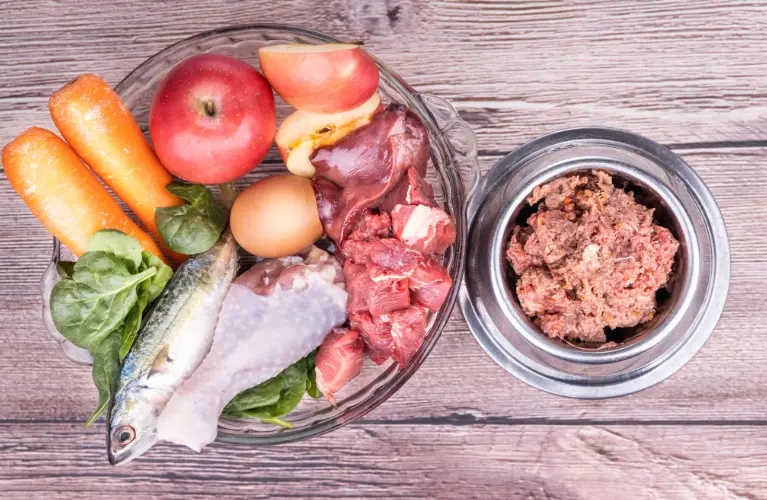
More pet owners are exploring raw feeding as a way to support their companions' health and well-being. Even just a small change, like transitioning to a 25% raw diet, can make a big impact on your pet’s health. If you're considering transitioning to a raw pet food diet, understanding the benefits, proper methods, and which pets might benefit most can help you make an informed decision.
What Is a Raw Pet Food Diet?
A raw pet food diet consists of uncooked meat, bones, organs, and sometimes vegetables and fruits. This feeding approach mimics what dogs and cats would naturally consume in the wild. Raw diets typically include muscle meat, organ meats like liver and kidney, raw meaty bones, and sometimes eggs or dairy products.
The Benefits of Transitioning to a Raw Pet Food Diet
Pet owners who have successfully made the switch often report remarkable improvements in their pets' overall health. These benefits can include shinier coats with less shedding, cleaner teeth and fresher breath, improved digestion with smaller, firmer stools, increased energy levels, and better weight management.
Raw feeding may also support stronger immune systems and reduce inflammation in some pets. Many owners notice their pets seem more satisfied after meals and display fewer signs of food-related discomfort.
Which Pets Benefit Most from Raw Feeding?
While any healthy dog or cat can potentially thrive on a properly balanced raw diet, certain pets may experience particularly noticeable improvements when transitioning to a raw pet food diet.
Pets with Food Allergies and Sensitivities
Dogs and cats suffering from food allergies or sensitivities often show dramatic improvement on raw diets. Common allergens in commercial pet foods include corn, wheat, soy, and certain protein sources. By controlling exactly what goes into your pet's bowl, you can eliminate problematic ingredients and identify trigger foods more easily.
Pets with chronic ear infections, excessive itching, hot spots, or digestive upset may find relief through raw feeding. The limited ingredient approach allows you to pinpoint sensitivities and create a customized meal plan that works for your pet's unique needs.
Pets with Digestive Issues
Animals struggling with inflammatory bowel disease, chronic diarrhea, or sensitive stomachs may benefit from the easily digestible nature of raw food. The natural enzymes present in raw meat can aid digestion, while the absence of fillers and artificial additives reduces gastrointestinal stress.
Overweight or Underweight Pets
Raw diets can help pets achieve and maintain a healthy weight. The high protein content supports lean muscle mass while satisfying hunger, and the absence of carbohydrate fillers means better portion control and metabolic support.
How to Safely Begin Transitioning to a Raw Pet Food Diet
Taking a careful, methodical approach ensures your pet adjusts comfortably and safely to their new diet.
Consult Your Veterinarian First
Before transitioning to a raw pet food diet, schedule a checkup with your veterinarian if your pet has any special health considerations. Certain health conditions may require special considerations, and your vet can provide guidance tailored to your pet's specific needs. Puppies, kittens, senior pets, and those with compromised immune systems need particular attention during the transition.
Choose Your Transition Method
There are two main approaches to transitioning to a raw pet food diet: the gradual method and the cold turkey method.
The gradual transition works best for most pets, especially those with sensitive stomachs. Over 7 to 10 days, slowly mix increasing amounts of raw food with your pet's current food. Start with 25% raw and 75% current food for the first few days, then move to 50/50, then 75% raw and 25% current food, before finally switching to 100% raw. Adding a pre and probiotic to the diet rotation while transitioning to raw can also help the gut biome transition more smoothly.
Some pets, particularly younger, healthy animals, may handle an immediate switch without issues. However, this method carries more risk of digestive upset.
Start Simple
When transitioning to a raw pet food diet, begin with a single protein source like chicken or turkey. These are generally well-tolerated and less likely to cause reactions. Once your pet adjusts, gradually introduce other proteins like beef, lamb, or fish over several weeks.
Source Quality Ingredients
Use human-grade meat from reputable sources. Whether you're purchasing commercial raw pet food or preparing meals at home, quality matters tremendously. Hounds and Co. offers carefully balanced raw food options formulated to meet your pet's nutritional needs safely.
Monitor Your Pet Closely
During the transition period, watch for signs of digestive upset, changes in stool consistency, energy levels, and coat condition. Some initial changes in stool are normal as your pet's digestive system adjusts. However, persistent vomiting, diarrhea, or lethargy warrant a call to your veterinarian.
Ensure Nutritional Balance
A complete raw diet isn't just meat. Your pet needs appropriate ratios of muscle meat, organ meat, and bone, along with some vegetables or supplements to ensure they receive all necessary nutrients. Commercial raw food from companies like Hounds and Co. takes the guesswork out of nutritional balance.
Safety Considerations When Transitioning to a Raw Pet Food Diet
Raw feeding requires careful attention to food safety. Practice proper handling by washing hands, bowls, and surfaces thoroughly. Store raw food at appropriate temperatures and serve meals at room temperature rather than straight from the refrigerator. Never leave raw food out for extended periods.
Is Raw Feeding Right for Every Pet?
While many pets thrive when transitioning to a raw pet food diet, it's not necessary for every animal. Pets doing well on high-quality commercial foods may not need a diet change. Additionally, raw feeding requires commitment, proper storage, and careful attention to nutritional balance.
If you're interested in exploring raw feeding for your companion, the potential benefits can make it worth trying. Whether you're addressing specific health concerns or simply seeking to optimize your pet's nutrition, transitioning to a raw pet food diet with proper guidance and quality products from Hounds and Co. can be a rewarding journey for both you and your four-legged friend.
High-Quality Pet Food in Portage | Hounds and Co.
9651 Portage Road Portage, MI 49002
(269) 366-4931
info@hcpetsupply.com
Monday - Saturday 9 AM - 6 PM | Sunday closed