

Allergy Friendly Dog Foods: What to Look For
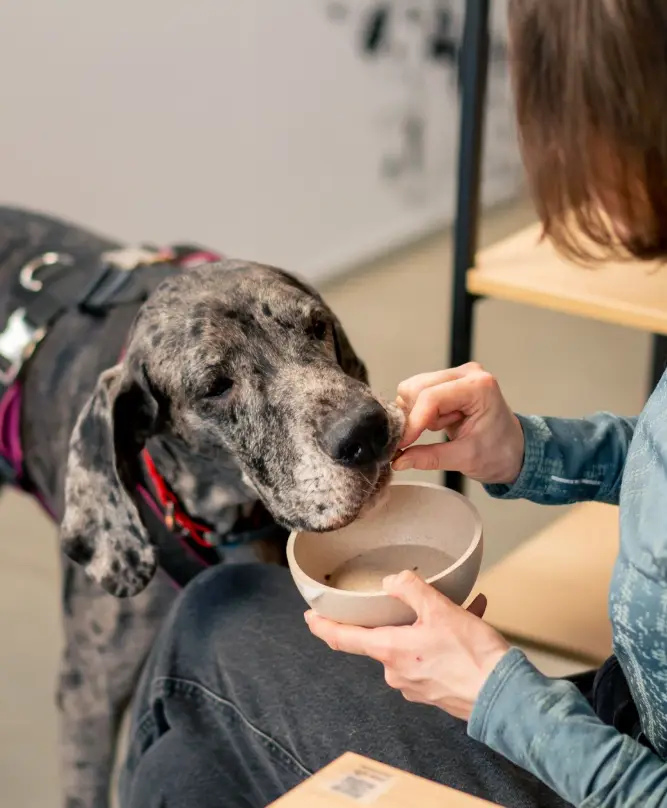
If your dog is constantly licking their paws, scratching their belly, or dealing with recurring ear infections, you're not alone, and you're not imagining it. Food allergies and sensitivities affect countless dogs, and watching your pup struggle with itchy, uncomfortable symptoms is heartbreaking.
The good news? Finding the right allergy friendly dog food can transform your dog's life. At Hounds & Co. in Portage, Michigan, we've helped hundreds of local families navigate food allergies and find diets that finally bring their dogs relief. Let's decode what you need to know about allergy-friendly nutrition and how to choose the perfect food for your sensitive pup.
Understanding Dog Food Allergies vs. Food Sensitivities
Before we dive into solutions, let's clarify what we're dealing with. The terms "allergy" and "sensitivity" often get used interchangeably, but there's actually a difference.
Food Allergies: These involve your dog's immune system overreacting to a specific ingredient, treating it like a threat. The immune system produces antibodies, and that response causes symptoms like itching, skin inflammation, and sometimes digestive upset.
Food Sensitivities (Intolerances): These don't involve the immune system. Instead, your dog's digestive system has trouble breaking down certain ingredients, leading to symptoms like gas, diarrhea, or vomiting.
Here's the thing: whether it's a true allergy or a sensitivity, your dog is uncomfortable, and the solution is the same: finding an allergy-friendly dog food that eliminates the problematic ingredient.
Common Signs Your Dog Needs Allergy Friendly Dog Food
Food allergies can be sneaky because their symptoms often mimic other conditions. Here are the telltale signs that food might be the culprit:
Skin Issues:
- Persistent itching that happens year-round (not seasonal)
- Chronic ear infections or head shaking
- Excessive licking of paws, belly, or rear end
- Red, inflamed skin or hot spots
- Recurrent yeast infections
Digestive Problems:
- Chronic diarrhea or soft stools
- Vomiting
- Excessive gas
- Loss of appetite
Other Symptoms:
- Hair loss or thinning coat
- Darker skin pigmentation in affected areas
- Behavioral changes (irritability from discomfort)
If your dog shows these symptoms consistently, especially after ruling out environmental allergies and parasites with your vet, it's time to explore allergy friendly dog food options.
The Most Common Food Allergens in Dogs
You might be surprised to learn that the most common allergens aren't exotic ingredients; they're the proteins dogs eat most often. Research indicates beef is the most frequent allergen, followed by dairy products and poultry.
The Top Culprits:
- Beef - The most common allergen, likely because it's so prevalent in dog food
- Dairy - Many dogs have lactose intolerance or true dairy allergies; but most can still tolerate and gain benefits from goats milk!
- Chicken - Despite being a staple protein, it's a frequent trigger
- Wheat - While grain allergies are less common than protein allergies, wheat can still cause issues
- Lamb - Often used as an alternative protein, but it can still cause reactions
- Soy - Another common ingredient that some dogs react to
- Eggs - Can trigger immune responses in sensitive dogs
Less commonly, dogs can also react to fish, pork, corn, or many others.
What Makes Dog Food "Allergy Friendly"?
Now for the million-dollar question: what should you look for in allergy friendly dog food? Here are the key features:
1. Limited Ingredient Formulas
These diets strip everything down to basics; typically one protein source and one or two carbohydrate sources, with minimal additives. This makes it easier to identify what your dog can and can't tolerate.
When shopping at Hounds & Co., look for foods that clearly list their limited ingredients on the front of the package, or ask for help finding them
2. Novel Protein Sources
A "novel protein" is simply a protein your dog has never eaten before. Common novel proteins include rabbit, venison, and turkey. The logic is simple: if your dog's never been exposed to it, they likely haven’t developed an allergy to it.
At Hounds & Co., we carry excellent options featuring:
- Duck
- Venison
- Salmon and whitefish
- Turkey
- Rabbit
- Kangaroo
3. Hydrolyzed Protein Diets
This sounds super scientific, but it's actually genius: hydrolyzed proteins have been broken down into tiny molecular pieces so small that your dog's immune system doesn't recognize them as potential threats.
These formulas are particularly helpful for dogs with multiple protein allergies or severe reactions.
4. Grain-Free or Alternative Carb Options
While grain allergies are less common than protein allergies, some dogs do better without wheat, corn, or soy. Look for allergy friendly dog food that uses alternative carbohydrate sources like:
- Sweet potatoes
- Peas
- Lentils
- Potatoes
Many brands, including Fromm, Farmina, and Nutrisource, offer both grain-inclusive and grain-free options, so you can find what works best for your pup.
5. High-Quality, Recognizable Ingredients
Allergy friendly dog food should have a short ingredient list with items you can actually pronounce and recognize. Avoid foods with:
- Generic "meat meal" or "animal fat" (not specifying the source)
- Artificial colors, flavors, or preservatives
- Excessive fillers
- Mystery ingredients
- Corn or Soy as protein sources
The Elimination Diet: Finding Your Dog's Triggers
If you suspect food allergies, your vet may recommend an elimination diet trial. This involves feeding a specialized diet for 8-12 weeks while avoiding all other foods, treats, and flavored supplements.
Here's How It Works:
- Choose a Novel Protein: Select an allergy friendly dog food with a protein your dog has never eaten
- Go All-In: For at least 8-12 weeks, feed ONLY this food—no treats, table scraps, or flavored medications
- Monitor Symptoms: Keep a journal tracking itching, ear infections, digestive issues, etc.
- Reintroduce Foods: If symptoms improve, slowly add back ingredients one at a time to identify the culprit
This process requires serious commitment, but it's the gold standard for identifying food allergies. The team at Hounds & Co. can help you select the perfect elimination diet food and treats that match.
Reading Labels Like a Pro
When you're shopping for allergy friendly dog food, the ingredient list is your roadmap. Here's how to decode it:
First Five Ingredients Matter Most: These make up the bulk of the food. You want a named protein source (like "chicken" or "salmon," not just "poultry") as the first ingredient.
Look for "Complete and Balanced": The AAFCO (Association of American Feed Control Officials) statement confirms the food meets nutritional standards for your dog's life stage.
Check for Allergen Statements: Some manufacturers include statements about their manufacturing process and potential cross-contamination. This matters if your dog has severe allergies.
Understand "Free From" Claims:
- "Chicken-free" means no chicken, obviously
- "Grain-free" means no wheat, corn, rice, oats, or barley
- "Limited ingredient" should mean a short, simple ingredient list
Beyond the Bowl: Treats and Supplements for Allergic Dogs
Here's a truth bomb: you can feed the perfect allergy friendly dog food, but if you're giving treats with chicken or beef, you're sabotaging your efforts.
Treat Solutions:
- Single-ingredient treats (like freeze-dried fish or sweet potato chews)
- Treats that match your dog's novel protein
- Vegetables like carrots, green beans, or apple slices (without seeds)
Supplements: Some supplements can actually help dogs with food sensitivities:
- Omega-3 fatty acids reduce inflammation and support skin health
- Probiotics support gut health and may reduce inflammatory responses
- Digestive enzymes help break down foods more effectively
Breed-Specific Considerations
Certain breeds appear more prone to food allergies, including Labrador Retrievers, Cocker Spaniels, and German Shepherds. If you have one of these breeds, being proactive about food choices is smart.
Other breeds commonly affected include:
- West Highland White Terriers
- Boxers
- Bulldogs
- Golden Retrievers
- Shih Tzus
However, any dog can develop food allergies regardless of breed.
What About Toppers and Mix-Ins?
If your dog is a picky eater (especially during an elimination trial), you might be tempted to add something to make meals more appealing. The key is finding allergy friendly dog food toppers that match your dog's protein source.
Safe Options:
- Wet food in the same protein as your kibble
- Bone broth made from your dog's safe protein
- Freeze-dried raw toppers in matching protein
- Plain cooked vegetables (sweet potato, green beans, pumpkin)
Transitioning to Allergy Friendly Dog Food
Even when switching to an allergy friendly dog food, go slowly to avoid digestive upset (unless your vet advises otherwise for severe reactions).
The Standard Transition:
- Days 1-3: 75% old food, 25% new food
- Days 4-6: 50% old food, 50% new food
- Days 7-9: 25% old food, 75% new food
- Day 10+: 100% new food
For dogs with sensitive stomachs, stretch this to 14 days.
Working with Your Vet
While we're passionate about helping you find the right allergy friendly dog food at Hounds & Co., partnering with your veterinarian is crucial if symptoms persist or become severe. They can:
- Rule out other causes of symptoms (parasites, environmental allergies, infections)
- Prescribe veterinary elimination diets with strict manufacturing protocols
- Recommend appropriate medications if needed
- Monitor your dog's progress
Success Stories from Portage
We've seen countless transformations right here in our Portage community. Dogs who came in constantly scratching, with inflamed ears and thinning coats, completely turned around after finding their perfect allergy friendly dog food.
One customer's Lab mix had suffered with itchy paws and ear infections for three years. After switching to a duck-based limited ingredient diet, her symptoms cleared up within eight weeks. She's now a different dog—playful, comfortable, and finally sleeping through the night instead of scratching.
Another local family's German Shepherd couldn't tolerate any common proteins. We helped them transition to a novel protein formula with venison, and he's been thriving ever since.
These aren't rare miracles, they're the result of finding the right nutrition match for each unique dog.
The Cost of Allergy Friendly Dog Food: Is It Worth It?
Let's address the elephant in the room: yes, allergy friendly dog food often costs more than standard kibble. But consider the alternative:
- Recurring vet visits for ear infections, hot spots, and skin issues
- Medications (antibiotics, steroids, allergy shots)
- Supplements to manage symptoms
- Skin treatments and medicated shampoos
- Most importantly, your dog's discomfort and reduced quality of life
When you factor in all those costs, financial and emotional, premium allergy-friendly nutrition often saves money in the long run while dramatically improving your dog's wellbeing.
Why Choose Hounds & Co. for Allergy Friendly Dog Food?
Finding the right allergy friendly dog food isn't just about reading labels online; it's about having a trusted partner who understands your dog's unique needs.
At Hounds & Co., we:
- Know Our Products: We've researched the brands we carry, understand their sourcing, and can explain what makes each formula unique
- Personalize Recommendations: Every dog is different, and we take time to understand your dog's history, symptoms, and what you've tried
- Carry Premium Brands: We stock trusted names like Fromm Family Pet Food with proven track records for quality and consistency
- Support Your Journey: Finding the right food might take trial and error, and we're here for the long haul
- Stock Matching Treats: We make sure you can find treats that align with your dog's new diet
Signs Your Allergy Friendly Dog Food Is Working
Reduction in symptoms may be seen in the first four weeks, but some dogs take up to 12 weeks to show improvement. Be patient! Look for these positive changes:
- Less scratching and licking
- Clearer, healthier skin
- Reduced ear infections or head shaking
- Better coat quality and reduced hair loss
- Firmer, more consistent stools
- More energy and a better mood
- Better sleep (not waking up to scratch)
Keep a journal to track progress. Sometimes, changes are gradual, and having a record helps you see improvement over time.
When to Try Something Different
If you've given an allergy friendly dog food a full 8-12 weeks without improvement, it might not be the right fit. Reasons to reconsider:
- No improvement in symptoms
- Symptoms worsen
- Your dog refuses to eat it consistently
- New symptoms develop
- Your vet recommends trying a different approach
Don't get discouraged—finding the perfect food sometimes takes trying several options. The team at Hounds & Co. is here to help you troubleshoot and find the right solution.
Prevention: Can You Avoid Food Allergies?
While you can't completely prevent food allergies, you can reduce risk:
- Rotate proteins throughout your dog's life rather than feeding one protein for years
- Choose high-quality foods with clean ingredients from the start
- Introduce variety in treats and toppers
- Support gut health with probiotics and digestive support
- Monitor symptoms early and address issues before they become severe
Your Partner in Pet Health in Portage, Michigan
Living with a dog who has food allergies or sensitivities can feel overwhelming, but you don't have to figure it out alone. At Hounds & Co., helping dogs find relief through proper nutrition is what we do—and we love it.
Whether your pup is just starting to show symptoms or you've been battling allergies for years, we're here to help you find the perfect allergy friendly dog food solution.
Our shelves are stocked with premium options, our team is educated and passionate, and our door is always open for questions, advice, and support. We've helped countless dogs in the Portage area find comfort and relief, and yours could be next.
Ready to End the Itch and Discomfort?
Your dog deserves to feel comfortable in their own skin, literally. If constant scratching, ear infections, or digestive issues have become your new normal, it's time to explore allergy friendly dog food options that could change everything.
Visit Hounds & Co. today and let's find your dog's perfect food together.
Hounds & Co. 9651 Portage Road Portage, MI 49002
Phone: (269) 366-4931
Hours: Monday-Saturday: 9:00 am - 6:00 pm | Sunday: closed
Bring your pup along (we love meeting our customers!), and let's talk about their symptoms, history, and what might work best. We'll help you choose the right allergy friendly dog food, matching treats, and supplements to support their journey to comfort.